
How to make nonwoven paper fabric antibacterial?
Leave a message

Antibacterial properties in nonwoven paper fabric have become increasingly important in various industries, from healthcare to household cleaning. As a nonwoven paper fabric supplier, I understand the demand for products that not only perform well but also offer protection against harmful bacteria. In this blog post, I will explore different methods to make nonwoven paper fabric antibacterial, providing insights into the science behind these processes and their practical applications.
Understanding Nonwoven Paper Fabric
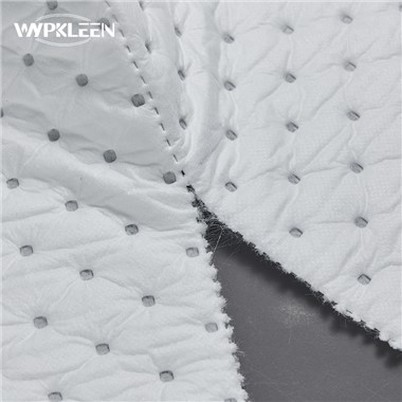
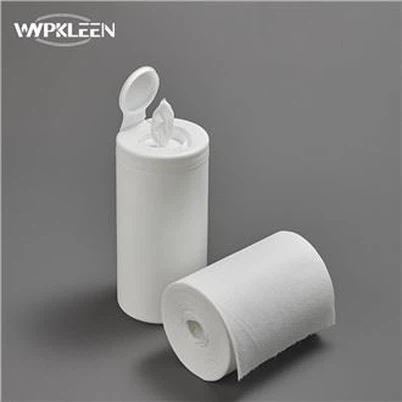
Nonwoven paper fabric is a versatile material made from fibers bonded together through mechanical, thermal, or chemical processes. Unlike traditional woven fabrics, nonwovens do not require yarns to be woven together. This makes them cost - effective, lightweight, and suitable for a wide range of applications. Some common uses of nonwoven paper fabric include Industrial Wipes For Cleaning, Non - woven Cleaning Wipes Fabric, and Disposable Dishwashing Cloth.
Why Antibacterial Nonwoven Paper Fabric?
In many applications, nonwoven paper fabric comes into contact with surfaces that may harbor bacteria. For example, in the healthcare industry, nonwoven fabrics are used for surgical gowns, masks, and wound dressings. Antibacterial properties can help prevent the spread of infections. In household cleaning, antibacterial nonwoven wipes can effectively eliminate germs on countertops, floors, and other surfaces. By making nonwoven paper fabric antibacterial, we can enhance its functionality and safety.
Methods to Make Nonwoven Paper Fabric Antibacterial
1. Incorporation of Antibacterial Agents during Production
One of the most common methods is to add antibacterial agents directly into the nonwoven fabric during the manufacturing process. There are several types of antibacterial agents that can be used:

-
Metallic Nanoparticles: Silver nanoparticles are widely used due to their broad - spectrum antibacterial activity. Silver ions can disrupt the cell membranes of bacteria, inhibit their growth, and even kill them. When incorporated into nonwoven fabric, silver nanoparticles can provide long - lasting antibacterial protection. For example, in a study by X et al., they found that nonwoven fabrics treated with silver nanoparticles showed significant antibacterial activity against both Gram - positive and Gram - negative bacteria.
-
Quaternary Ammonium Compounds (QACs): QACs are another class of antibacterial agents commonly used in nonwoven fabric production. They work by interacting with the bacterial cell membrane, causing leakage of intracellular components and ultimately leading to cell death. QACs are relatively stable and can be easily incorporated into nonwoven fabrics through various coating or impregnation methods.
-
Natural Antibacterial Agents: Some natural substances, such as essential oils (e.g., tea tree oil, eucalyptus oil) and plant extracts, also possess antibacterial properties. These natural agents are environmentally friendly and may be preferred in applications where safety and sustainability are important. However, their antibacterial efficacy may be affected by factors such as storage conditions and the presence of other substances in the fabric.
2. Surface Coating
Surface coating is a post - production method where an antibacterial layer is applied to the surface of the nonwoven fabric. This method allows for more precise control over the antibacterial properties of the fabric.
- Polymer - based Coatings: Polymers can be used as carriers for antibacterial agents. For example, a polymer coating containing an antibacterial agent can be applied to the nonwoven fabric using techniques such as dip - coating or spray - coating. The polymer matrix can protect the antibacterial agent from premature release and ensure a controlled release over time.
- Layer - by - layer Assembly: This technique involves depositing alternating layers of positively and negatively charged polymers and antibacterial agents on the surface of the nonwoven fabric. The electrostatic interactions between the layers help to form a stable and uniform antibacterial coating. Layer - by - layer assembly can be used to create multi - functional coatings with enhanced antibacterial and other properties, such as water - repellency or self - cleaning.
3. Plasma Treatment
Plasma treatment is a physical method that can modify the surface properties of nonwoven fabric to make it antibacterial. Plasma is a highly energetic state of matter that can generate reactive species, such as ions, radicals, and electrons.
- Surface Activation: Plasma treatment can activate the surface of the nonwoven fabric, making it more receptive to the attachment of antibacterial agents. After plasma treatment, the fabric surface may have increased roughness and reactivity, which can improve the adhesion of antibacterial coatings or the incorporation of antibacterial agents during subsequent processes.
- Antibacterial Modification: In some cases, plasma can be used to directly create antibacterial surfaces. For example, nitrogen - based plasma treatment can introduce nitrogen - containing functional groups on the fabric surface, which may have antibacterial properties.
Factors Affecting Antibacterial Performance
The antibacterial performance of nonwoven paper fabric can be affected by several factors:
- Concentration of Antibacterial Agents: The higher the concentration of antibacterial agents in the fabric, the greater the antibacterial activity. However, excessive concentrations may also have negative effects on the fabric's physical properties, such as its strength and flexibility.
- Contact Time: The time that the nonwoven fabric is in contact with bacteria is an important factor. Longer contact times generally result in more effective antibacterial action. In practical applications, this may be related to how the fabric is used, such as the duration of wiping or the time of exposure in a particular environment.
- Environmental Conditions: Factors such as temperature, humidity, and pH can also affect the antibacterial performance of nonwoven fabric. For example, some antibacterial agents may be more effective at certain pH values. High humidity may increase the availability of water, which can enhance the release and activity of antibacterial agents.
Testing and Evaluation of Antibacterial Nonwoven Paper Fabric
To ensure the quality and effectiveness of antibacterial nonwoven paper fabric, various testing methods are available:
- Zone of Inhibition Test: This is a simple and widely used method to evaluate the antibacterial activity of a material. A sample of the nonwoven fabric is placed on an agar plate inoculated with bacteria. After incubation, the diameter of the clear zone around the fabric sample indicates the extent of antibacterial activity.
- Colony - Forming Unit (CFU) Count: In this method, the nonwoven fabric is exposed to a known concentration of bacteria, and then the number of surviving bacteria is counted after a certain period of time. A significant reduction in the CFU count indicates effective antibacterial activity.
Applications of Antibacterial Nonwoven Paper Fabric
- Healthcare Industry: As mentioned earlier, antibacterial nonwoven fabrics are used in surgical gowns, masks, and wound dressings. They can help reduce the risk of surgical site infections and protect healthcare workers from exposure to pathogens.
- Food Industry: Nonwoven fabrics with antibacterial properties can be used for food packaging, food handling equipment cleaning, and food processing environments. They can prevent the growth of bacteria on food surfaces and ensure food safety.
- Household Cleaning: Antibacterial nonwoven wipes are popular for household cleaning. They can effectively clean and disinfect various surfaces, providing a hygienic living environment.
Conclusion
Making nonwoven paper fabric antibacterial is a complex but achievable goal. By using methods such as incorporation of antibacterial agents during production, surface coating, and plasma treatment, we can enhance the antibacterial properties of nonwoven fabric. However, it is important to consider factors such as the concentration of antibacterial agents, contact time, and environmental conditions to ensure optimal performance.
As a nonwoven paper fabric supplier, we are committed to providing high - quality antibacterial nonwoven products to meet the diverse needs of our customers. Whether you are in the healthcare, food, or household cleaning industry, our antibacterial nonwoven fabrics can offer reliable protection against bacteria. If you are interested in our products or have any questions about antibacterial nonwoven paper fabric, please feel free to contact us for further discussion and procurement negotiations.
References
- X et al. "Antibacterial properties of nonwoven fabrics treated with silver nanoparticles." Journal of Applied Polymer Science, Vol. XX, Issue XX, pp. XX - XX, Year.