

How to make nonwoven paper fabric waterproof?
Leave a message

Hey there! I'm a supplier of Nonwoven Paper Fabric, and I often get asked how to make this kind of fabric waterproof. Well, you've come to the right place! In this blog, I'll share some practical methods and insights on waterproofing nonwoven paper fabric.
Why Waterproof Nonwoven Paper Fabric?
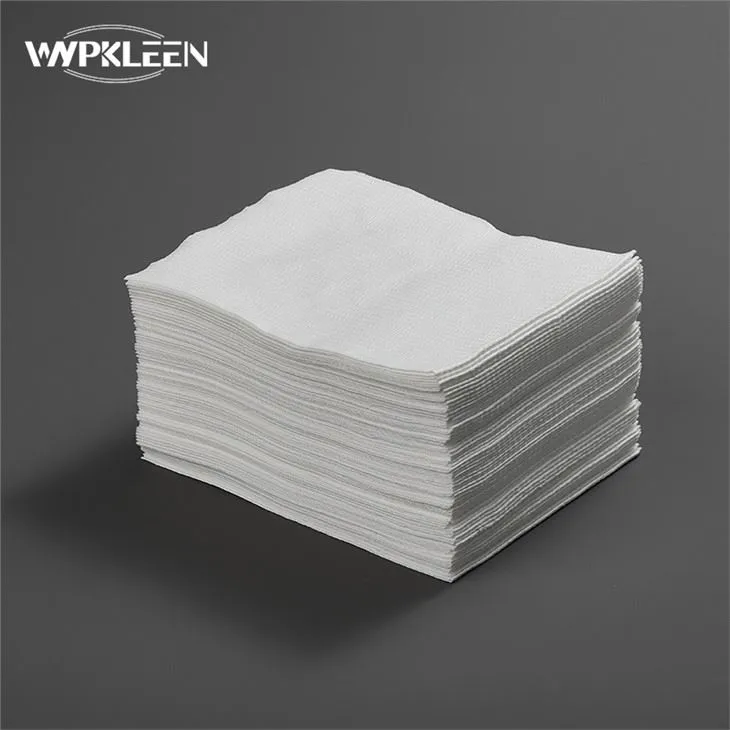
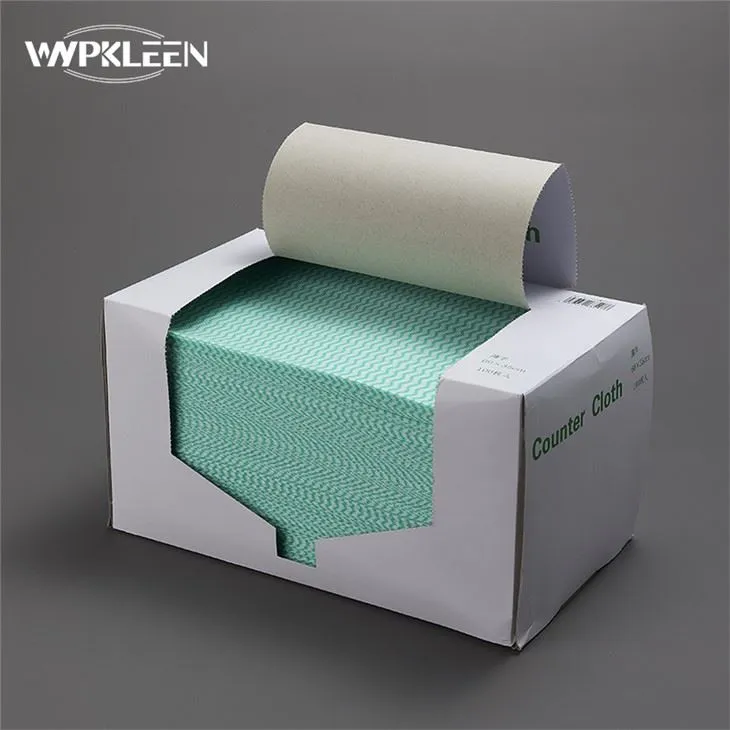
First off, let's talk about why you might want to waterproof nonwoven paper fabric. Nonwoven paper fabric has a wide range of applications, like Kitchen Wipes Non Woven Fabric, which are used in wet environments. Without proper waterproofing, the fabric can quickly absorb water, lose its shape, and become less effective.
Another common use is Nonwoven Fabric Cloth, which can be used for various purposes such as cleaning, packaging, and even in some fashion items. Waterproofing can extend its lifespan and make it more versatile.
Methods of Waterproofing Nonwoven Paper Fabric
Coating Method
One of the most common ways to make nonwoven paper fabric waterproof is through coating. There are different types of coatings available.
Polyurethane Coating: Polyurethane is a popular choice. It forms a thin, flexible layer on the fabric surface. This layer acts as a barrier, preventing water from penetrating the fabric. You can apply the polyurethane coating using a roller or a spray gun. The advantage of this method is that it can maintain the fabric's flexibility and breathability to some extent. However, it might make the fabric a bit stiffer compared to its original state.
Silicone Coating: Silicone coatings are also great for waterproofing. They offer excellent water - repellency and are resistant to high temperatures. Silicone - coated nonwoven paper fabric can be used in outdoor applications. The coating process usually involves dipping the fabric into a silicone solution and then drying it. This method can make the fabric feel smooth and gives it a long - lasting waterproof effect.
Laminating Method
Laminating is another effective way to waterproof nonwoven paper fabric. In this method, a waterproof film is bonded to the fabric.
Polyethylene Film Laminating: Polyethylene is a common choice for lamination. It's a lightweight and cost - effective material. The film is heated and pressed onto the nonwoven paper fabric, creating a strong bond. This method provides a high level of waterproofing and can also enhance the fabric's strength. The downside is that it may reduce the fabric's breathability.
Teflon Laminating: Teflon is known for its non - stick and waterproof properties. When laminated to nonwoven paper fabric, it creates a durable and highly water - resistant surface. Teflon - laminated fabrics are often used in high - end applications where water resistance and durability are crucial.
Chemical Treatment Method
Some chemical treatments can also be used to make nonwoven paper fabric waterproof.
Fluorocarbon Treatment: Fluorocarbon chemicals can be applied to the fabric. These chemicals work by reducing the surface tension of the fabric, making it difficult for water to spread and penetrate. The treatment is usually done by soaking the fabric in a fluorocarbon solution and then drying it. It provides a good level of water repellency and is often used in applications where the fabric needs to be in contact with water for a long time.
Factors to Consider When Waterproofing Nonwoven Paper Fabric
Fabric Composition
The type of nonwoven paper fabric you're working with matters. For example, Polyester Woodpulp Spunlace Nonwoven Fabric has a different structure and composition compared to other nonwoven fabrics. The method of waterproofing needs to be adjusted according to the fabric's characteristics. Some fabrics may absorb coatings better, while others may require a different approach to ensure proper waterproofing.
Intended Use
Think about how the waterproofed fabric will be used. If it's for indoor use, a simple coating might be sufficient. But for outdoor applications, you may need a more durable and long - lasting waterproofing method, like laminating or a heavy - duty chemical treatment.
Cost
Cost is always a factor. Coating methods can be relatively inexpensive, especially if you're using common materials like polyurethane. Laminating with more advanced materials like Teflon can be more costly. You need to balance the cost with the level of waterproofing and the intended use of the fabric.
Quality Control of Waterproofed Nonwoven Paper Fabric
After waterproofing, it's important to test the fabric to ensure it meets the required standards.
Water Resistance Test: You can conduct a simple water resistance test by placing a few drops of water on the fabric. If the water beads up and doesn't penetrate the fabric, it indicates good water resistance. For more accurate testing, you can use a water column test, which measures the height of a water column that the fabric can withstand without leaking.
Durability Test: Rub the fabric gently to see if the waterproofing layer is durable. If the coating or lamination starts to peel off easily, it may not be suitable for long - term use. You can also expose the fabric to different environmental conditions, such as sunlight and humidity, to see how it holds up over time.
Conclusion
Making nonwoven paper fabric waterproof is a process that involves choosing the right method based on the fabric's composition, intended use, and cost. Whether you're using coating, laminating, or chemical treatment, each method has its own advantages and disadvantages. By carefully considering these factors and conducting proper quality control, you can ensure that the waterproofed fabric meets your needs.
If you're interested in purchasing nonwoven paper fabric or have any questions about waterproofing it, feel free to reach out for a procurement discussion. I'm here to help you find the best solution for your specific requirements.
References
- "Nonwoven Fabric Technology and Applications" by John Smith
- "Waterproofing Materials and Methods" by Jane Doe
- Industry reports on nonwoven fabric manufacturing and waterproofing techniques


