How do I determine the appropriate quantity of sorbent products for a spill?
Leave a message

Determining the appropriate quantity of sorbent products for a spill is a crucial task that requires a comprehensive understanding of various factors. As a supplier of sorbent products, I've encountered numerous customers who are unsure about how much sorbent they need to effectively clean up a spill. In this blog, I'll share some insights and guidelines to help you make an informed decision.
Understanding the Nature of the Spill
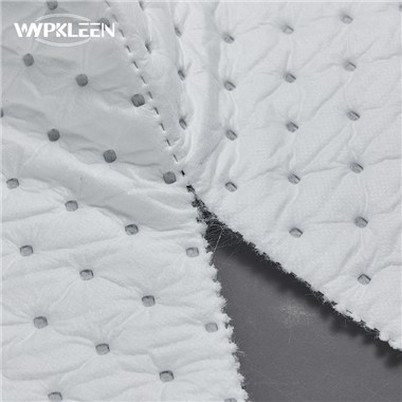
The first step in determining the quantity of sorbent products is to understand the nature of the spill. Different types of spills, such as oil, water, chemicals, or hazardous materials, require different types of sorbents. For example, Oil Spill Absorbent Pad are specifically designed to absorb oil and repel water, while Water Absorbent Pad are used for absorbing water and other aqueous liquids.
The viscosity of the spilled liquid also plays a significant role. Highly viscous liquids, like heavy oils or syrups, may require more sorbent material as they are more difficult to absorb compared to low - viscosity liquids such as gasoline or water. Additionally, the temperature of the spilled liquid can affect the absorption rate. Higher temperatures generally increase the fluidity of the liquid, which may either speed up the absorption process or cause the liquid to spread more rapidly, requiring more sorbent.
Assessing the Size of the Spill
Accurately measuring the size of the spill is essential. For small, contained spills, such as a few drops or a small puddle, a single sorbent pad or a few sheets of sorbent material may be sufficient. However, for larger spills, a more detailed assessment is needed.
One common method is to estimate the volume of the spill. If the spill is in a regular - shaped area, like a rectangular pool or a circular puddle, you can use basic geometric formulas to calculate the volume. For example, for a rectangular spill area, the volume (V) can be calculated as V = length × width × depth. The depth of the spill can be estimated by visually comparing it to known thicknesses or by using a ruler if possible.
For spills on irregular surfaces, it may be more challenging to calculate the volume precisely. In such cases, you can divide the spill area into smaller, more manageable sections and estimate the volume of each section separately. Then, sum up the volumes of all the sections to get an approximate total volume of the spill.
Considering the Absorption Capacity of Sorbent Products
Each type of sorbent product has a specific absorption capacity, which is usually expressed in terms of the amount of liquid it can absorb per unit weight or volume of the sorbent. For example, some high - performance sorbent pads can absorb up to 20 times their own weight in oil.
When choosing sorbent products, it's important to refer to the manufacturer's specifications regarding absorption capacity. This information will help you determine how much sorbent material is needed based on the estimated volume of the spill. For instance, if you have a 10 - liter oil spill and a sorbent pad with an absorption capacity of 5 liters per pad, you would need at least 2 pads. However, it's advisable to have some extra sorbent on hand to account for spill spread, incomplete absorption, and other unforeseen factors.
Environmental Factors
Environmental conditions can significantly impact the quantity of sorbent products required. If the spill occurs outdoors, factors such as wind, rain, and temperature fluctuations need to be considered. Wind can cause the spill to spread over a larger area, increasing the amount of sorbent needed. Rain can dilute the spilled liquid or wash it away, but it can also make the sorbent less effective if it becomes saturated with water before it can absorb the target liquid.
Indoor spills also have their own set of environmental factors. For example, in a well - ventilated area, the evaporation rate of the spilled liquid may be higher, which could reduce the amount of sorbent required. On the other hand, in a confined space with poor ventilation, the fumes from the spill may pose a health risk, and a quicker cleanup with an appropriate amount of sorbent is necessary.
Type of Surface
The surface on which the spill occurs affects the absorption process. Porous surfaces, such as concrete or wood, can absorb some of the spilled liquid themselves, which may reduce the amount of sorbent needed. However, the liquid absorbed by the porous surface may be more difficult to remove completely, and additional sorbent may be required to clean the surface thoroughly.
Non - porous surfaces, like metal or plastic, do not absorb the liquid, but the liquid may spread more easily on these surfaces. In such cases, sorbent products need to be placed strategically to contain and absorb the spill before it spreads further. For example, if a spill occurs on a sloped non - porous surface, the liquid will flow downhill, and sorbent barriers may need to be placed at the lower end to prevent the spread, along with sorbent pads on the spill area itself.
Containment and Prevention of Spread
Before using sorbent products to absorb the spill, it's important to contain the spill to prevent it from spreading. This can be done using sorbent booms, barriers, or other containment devices. The quantity of containment materials required depends on the size and shape of the spill. For example, a large, circular spill may require a circular sorbent boom of an appropriate diameter to surround it.
Containment is not only important for limiting the area that needs to be cleaned but also for protecting the surrounding environment. Once the spill is contained, you can then focus on using the sorbent products to absorb the liquid within the contained area.


Safety Margins
It's always a good practice to have a safety margin when determining the quantity of sorbent products. Unforeseen circumstances, such as the spill spreading more than expected, the presence of hidden pockets of liquid, or the inefficiency of the sorbent due to improper use, can occur. A general rule of thumb is to add an extra 20 - 30% of sorbent material to the estimated quantity. This ensures that you have enough sorbent to handle any unexpected situations during the cleanup process.
Conclusion
Determining the appropriate quantity of sorbent products for a spill is a multi - faceted process that involves understanding the nature of the spill, assessing its size, considering the absorption capacity of the sorbent, and taking into account environmental factors, the type of surface, and the need for containment. By carefully evaluating these factors and applying the guidelines mentioned above, you can ensure an effective and efficient spill cleanup.
If you're facing a spill situation or are looking to stock up on sorbent products for potential spills, we're here to help. Our range of Water Absorbent Pad, Absorbent Mats for Oil, and other sorbent solutions are designed to meet your specific needs. Contact us to discuss your requirements and let us assist you in finding the right quantity and type of sorbent products for your spill management.
References
- "Spill Response Handbook" by the Environmental Protection Agency.
- Manufacturer's product specifications for sorbent products.
- Industry best practices for spill cleanup and management.