
What is the biodegradability of airlaid paper?
Leave a message

What is the biodegradability of airlaid paper?
As a seasoned supplier of airlaid paper, I've witnessed firsthand the growing interest in the environmental impact of our products. One of the most frequently asked questions is about the biodegradability of airlaid paper. In this blog post, I'll delve into the details of what makes airlaid paper biodegradable, its environmental benefits, and how it compares to other materials.
Understanding Airlaid Paper
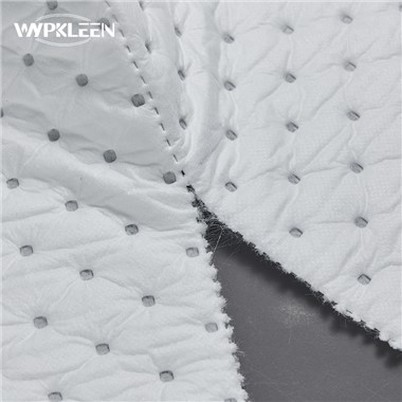
Before we discuss biodegradability, let's briefly understand what airlaid paper is. Airlaid paper is a nonwoven material made from cellulose fibers, which are typically derived from wood pulp. The manufacturing process involves dispersing the fibers in air and then bonding them together using heat, pressure, or adhesives. This results in a soft, absorbent, and flexible material that is widely used in various applications, including hygiene products, wipes, and packaging.
Biodegradability of Airlaid Paper
The biodegradability of airlaid paper is primarily due to its composition. Since it is mainly made from cellulose fibers, which are a natural and renewable resource, airlaid paper can be broken down by microorganisms in the environment. When airlaid paper is exposed to the right conditions, such as moisture, oxygen, and the presence of specific bacteria and fungi, these microorganisms will start to consume the cellulose fibers.
The process of biodegradation occurs in stages. First, the outer layers of the airlaid paper are attacked by the microorganisms, breaking down the bonds between the fibers. As the degradation progresses, the paper gradually loses its structure and integrity. Eventually, the cellulose fibers are completely broken down into simpler substances, such as carbon dioxide, water, and biomass.
The time it takes for airlaid paper to biodegrade can vary depending on several factors. These include the thickness of the paper, the presence of any additives or coatings, and the environmental conditions. In general, thinner airlaid papers will biodegrade faster than thicker ones. Additionally, if the paper has been treated with chemicals or coatings to enhance its performance, such as water - resistance or strength, the biodegradation process may be slower.
Environmental Benefits of Biodegradable Airlaid Paper
The biodegradability of airlaid paper offers several significant environmental benefits. Firstly, it reduces the amount of waste that ends up in landfills. Unlike non - biodegradable materials, which can persist in landfills for hundreds of years, airlaid paper will break down over time, freeing up space and reducing the environmental burden.
Secondly, the use of biodegradable airlaid paper helps to conserve natural resources. Since cellulose fibers are derived from wood pulp, which is a renewable resource, using airlaid paper promotes sustainable forestry practices. When trees are harvested for pulp, new trees can be planted to replace them, ensuring a continuous supply of raw materials.
Another benefit is the reduction of greenhouse gas emissions. During the biodegradation process, the carbon stored in the cellulose fibers is released back into the atmosphere as carbon dioxide. However, since the trees that produced the cellulose fibers absorbed carbon dioxide during their growth, the net carbon emissions are relatively low compared to the production and disposal of non - biodegradable materials.
Comparing Airlaid Paper with Other Materials
When comparing airlaid paper with other materials commonly used in similar applications, its biodegradability gives it a clear advantage. For example, plastic - based wipes are non - biodegradable and can take hundreds of years to break down in the environment. These plastic wipes often end up in oceans and waterways, causing harm to marine life and contributing to the global plastic pollution problem.
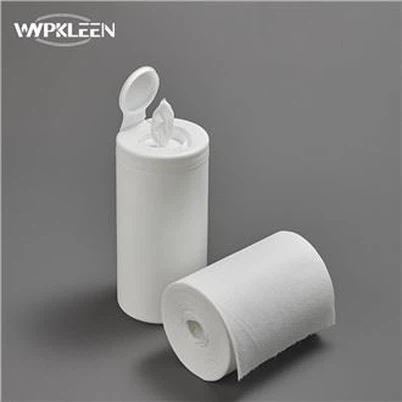
In contrast, airlaid paper wipes are a more environmentally friendly alternative. They offer similar levels of absorbency and softness as plastic wipes but can be broken down naturally. If you're interested in our range of Airlaid Paper Wipe, you can visit our website for more details.
Similarly, when it comes to packaging materials, airlaid paper provides a sustainable option. Traditional plastic packaging can take a long time to decompose, while airlaid paper packaging will biodegrade, reducing the long - term environmental impact. Our Nonwoven Airlaid Paper is an excellent choice for various packaging needs.
Factors Affecting the Biodegradability of Airlaid Paper
As mentioned earlier, several factors can affect the biodegradability of airlaid paper. One of the key factors is the presence of additives. Some airlaid papers may contain binders, chemicals, or coatings to improve their performance. For example, if a paper is treated with a water - repellent coating, the microorganisms may have a harder time accessing the cellulose fibers, thus slowing down the biodegradation process.
The environmental conditions also play a crucial role. In a landfill, where there is often limited oxygen and moisture, the biodegradation of airlaid paper may be slower compared to an aerobic composting environment. Composting provides ideal conditions for biodegradation, with plenty of oxygen, moisture, and a diverse community of microorganisms.
Applications of Biodegradable Airlaid Paper
Biodegradable airlaid paper has a wide range of applications. In the hygiene industry, it is used to make products such as baby wipes, adult incontinence pads, and feminine hygiene products. These products come into direct contact with the skin, and the biodegradability of airlaid paper makes them a more sustainable choice for consumers.
In the food industry, airlaid paper can be used for food packaging. Its absorbent properties make it suitable for wrapping fresh produce, meat, and seafood, while its biodegradability ensures that the packaging does not contribute to long - term waste. Our Multipurpose Paper Wipe Roll can also be used in various food - related applications.


Encouraging Sustainable Practices
As a supplier of airlaid paper, we are committed to promoting sustainable practices. We work closely with our customers to educate them about the benefits of biodegradable airlaid paper and encourage them to make environmentally friendly choices. We also invest in research and development to improve the biodegradability of our products and reduce the use of non - sustainable additives.
Contact for Purchase and Discussion
If you're interested in learning more about our airlaid paper products or would like to discuss potential procurement opportunities, we'd be more than happy to hear from you. Our team of experts is ready to assist you in finding the right airlaid paper solutions for your specific needs. Whether you're in the hygiene, food, or other industries, we can provide high - quality biodegradable airlaid paper products.
References
- "Nonwoven Materials: Structure, Properties, and Applications" by Rajiv S. Pawar.
- "Environmental Science: Toward a Sustainable Future" by Richard T. Wright and Dorothy F. Boorse.
- Industry reports on airlaid paper production and environmental impact.