

Is nonwoven paper fabric expensive?
Leave a message

Is nonwoven paper fabric expensive? This is a question that often comes up in the minds of businesses and individuals looking for cost - effective and high - quality materials. As a supplier of nonwoven paper fabric, I'd like to delve into this topic and provide a comprehensive analysis.
Understanding Nonwoven Paper Fabric
Nonwoven paper fabric is a versatile material that has gained significant popularity in various industries. It is produced by bonding or interlocking fibers together through mechanical, chemical, or thermal processes, rather than traditional weaving or knitting methods. This results in a fabric with unique properties such as high strength, absorbency, and breathability.
There are different types of nonwoven paper fabric, each with its own characteristics and price points. For instance, Polyester Woodpulp Spunlace Nonwoven Fabric combines the advantages of polyester and woodpulp fibers. Polyester provides strength and durability, while woodpulp offers absorbency and softness. This type of fabric is commonly used in applications such as wipes, medical products, and filtration.
Another popular option is Spunlace Nonwoven Fabric Roll. Spunlace technology uses high - pressure water jets to entangle fibers, creating a fabric with a smooth and uniform surface. It is widely used in the hygiene industry, including baby wipes, adult incontinence products, and feminine hygiene items.
Polyester Spunlace Nonwoven Fabric is also well - known for its excellent strength and resistance to abrasion. It is suitable for applications where durability is a key requirement, such as industrial wipes and automotive interiors.
Factors Affecting the Price of Nonwoven Paper Fabric
Raw Materials
The cost of raw materials is one of the primary factors influencing the price of nonwoven paper fabric. Different fibers have different costs associated with them. For example, synthetic fibers like polyester may be more expensive than natural fibers in some cases, depending on market conditions. Additionally, the quality and purity of the fibers can also impact the price. High - quality fibers often result in a better - performing fabric but come at a higher cost.
Production Process
The manufacturing process of nonwoven paper fabric can be complex and requires specialized equipment and technology. Spunlace, melt - blown, and needle - punching are some of the common production methods. Each method has its own cost structure. For instance, the spunlace process involves high - pressure water jets, which require significant energy consumption and advanced machinery. This can contribute to a higher production cost and, subsequently, a higher price for the final product.
Quality and Specifications
The quality and specifications of nonwoven paper fabric play a crucial role in determining its price. Fabrics with higher strength, better absorbency, or specific performance characteristics are generally more expensive. For example, a nonwoven fabric with a high GSM (grams per square meter) will typically cost more than one with a lower GSM. Additionally, fabrics that meet strict industry standards, such as medical - grade nonwoven fabrics, are likely to be priced higher due to the additional quality control and certification requirements.
Market Demand and Supply
Like any other product, the price of nonwoven paper fabric is also affected by market demand and supply dynamics. If the demand for nonwoven fabrics in a particular industry is high and the supply is limited, the price is likely to increase. Conversely, if there is an oversupply in the market, prices may decrease. Seasonal factors and economic conditions can also influence the demand and supply of nonwoven paper fabric.
Is Nonwoven Paper Fabric Expensive?
The answer to whether nonwoven paper fabric is expensive is not straightforward. It depends on various factors, including the specific type of fabric, its intended use, and the customer's budget.
In some cases, nonwoven paper fabric may seem more expensive compared to traditional woven fabrics. However, it's important to consider the long - term benefits and cost - effectiveness. For example, nonwoven fabrics often have better performance characteristics, such as higher absorbency and durability. This can lead to reduced usage and replacement costs in the long run.
For businesses, the cost of nonwoven paper fabric should be evaluated in the context of the overall production cost and the value it brings to the final product. If a nonwoven fabric can improve the quality and functionality of a product, it may be a worthwhile investment, even if it has a higher upfront cost.
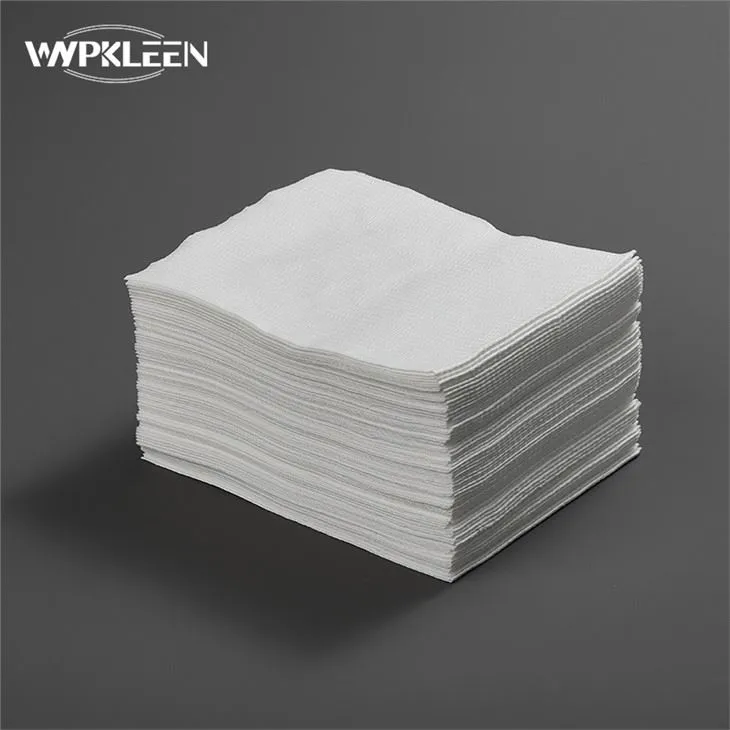

In the consumer market, the price of nonwoven products such as wipes and hygiene items is also influenced by brand, packaging, and marketing. While some premium brands may charge more for their nonwoven products, there are also many affordable options available that offer good quality.
Cost - Saving Strategies for Buying Nonwoven Paper Fabric
Bulk Purchasing
Buying nonwoven paper fabric in bulk can often result in significant cost savings. Suppliers usually offer discounts for large - volume orders. This is because bulk purchasing reduces the per - unit production and handling costs. By planning ahead and ordering larger quantities, businesses can take advantage of these cost savings.
Negotiating with Suppliers
Establishing a good relationship with your nonwoven paper fabric supplier and negotiating favorable terms can also help reduce costs. Suppliers may be willing to offer better prices, payment terms, or additional services if they see a long - term partnership. It's important to communicate your requirements clearly and be open to discussions.
Choosing the Right Fabric for the Application
Selecting the most appropriate nonwoven paper fabric for your specific application can also save costs. Avoid over - specifying the fabric if it's not necessary. For example, if a lower - GSM fabric can meet your performance requirements, there's no need to pay for a higher - GSM one.
Conclusion
In conclusion, the question of whether nonwoven paper fabric is expensive is complex and depends on multiple factors. While it may have a higher upfront cost in some cases, the long - term benefits and cost - effectiveness it offers can make it a valuable investment. As a supplier, we understand the importance of providing high - quality nonwoven paper fabric at a competitive price.
If you're interested in purchasing nonwoven paper fabric for your business, we'd be more than happy to discuss your requirements and provide you with a customized solution. Our team of experts can help you choose the right fabric based on your application, budget, and performance needs. Contact us today to start a procurement discussion and find the best nonwoven paper fabric for your project.
References
- Textile Institute. Handbook of Nonwovens. Woodhead Publishing Limited, 2007.
- Market Research Reports. Nonwoven Fabric Market Analysis and Forecast. [Year of Publication].


