
What is the difference between different brands of sorbent products?
Leave a message

When it comes to sorbent products, there is a wide range of brands available in the market. As a supplier of sorbent products, I've had the opportunity to work with various brands and understand their nuances. In this blog, I'll delve into the differences between different brands of sorbent products, which can help you make an informed decision when choosing the right one for your needs.
Material Composition
One of the primary factors that differentiate sorbent product brands is the material composition. Different brands use various materials to create their sorbents, each with its own set of properties.
Natural Materials
Some brands focus on using natural materials such as cellulose, peat moss, or cotton. Cellulose sorbents, for example, are made from wood pulp. They are highly absorbent, biodegradable, and relatively inexpensive. They are great for absorbing water - based spills and can also absorb some oils to a certain extent. Brands that use cellulose sorbents often target environmentally - conscious customers who are looking for sustainable options.
However, natural materials may have limitations. For instance, cellulose sorbents can break down easily when wet, which may not be suitable for heavy - duty or long - term spill clean - up. Peat moss and cotton also have similar drawbacks, with relatively lower durability compared to synthetic materials.
Synthetic Materials
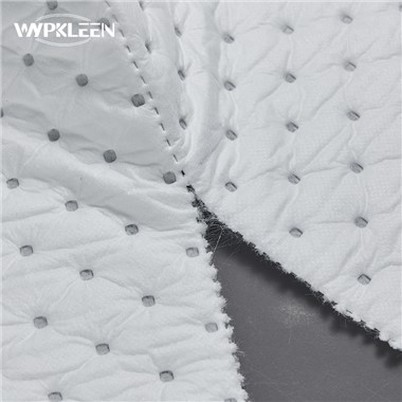
On the other hand, many brands opt for synthetic materials like polypropylene. Polypropylene is a popular choice because it is hydrophobic, meaning it repels water and only absorbs oil. This makes it ideal for oil spill clean - up. Brands that use polypropylene can offer products such as Oil Spill Absorbent Pad and Polypropylene Meltblown Oil Only Sorbent Socks.
Polypropylene sorbents are also more durable than natural materials. They can withstand harsh environments and repeated use without losing their absorbency. Some brands may use advanced manufacturing techniques to enhance the porosity of polypropylene, increasing its oil - absorbing capacity.
Absorbency Rate and Capacity
Another significant difference between brands is the absorbency rate and capacity of their sorbent products.
Absorbency Rate
The absorbency rate refers to how quickly a sorbent can soak up a liquid. Brands that have optimized their manufacturing processes can produce sorbents with a high absorbency rate. For example, some polypropylene - based sorbents can absorb oil almost instantly upon contact. This is crucial in situations where a spill needs to be contained quickly to prevent it from spreading.
In contrast, sorbents made from natural materials may have a slower absorbency rate. Cellulose sorbents, for instance, need some time to soak up the liquid fully. This can be a disadvantage in emergency spill situations where every second counts.
Absorbency Capacity
Absorbency capacity is the amount of liquid a sorbent can hold. Different brands may have different claims regarding their products' absorbency capacity. High - quality brands often invest in research and development to improve the absorbency capacity of their sorbents. For example, a well - designed polypropylene sorbent sock may be able to hold several times its own weight in oil.
Some brands may exaggerate their absorbency capacity claims. As a supplier, I always recommend customers to look for independent testing results or customer reviews to verify these claims.
Product Design and Versatility
The design of sorbent products can also vary significantly between brands.
Shape and Size
Brands offer sorbent products in various shapes and sizes to suit different spill scenarios. For example, some brands produce large - sized absorbent pads for covering large spills on floors or in open areas. Others may offer small, pre - cut pads for more precise clean - up in confined spaces.


Sorbent socks are another popular product, which are available in different lengths. They can be used to create barriers around spills or to soak up liquid along the edges of containers. Brands may also offer custom - sized products to meet specific customer requirements.
Versatility
Some brands focus on creating versatile sorbent products that can be used for multiple types of spills. For example, there are universal sorbents that can absorb both oil and water - based liquids. These are useful in environments where different types of spills may occur, such as industrial workshops or laboratories.
Other brands may specialize in single - use sorbents, such as oil - only sorbents. These products are designed to be highly efficient in absorbing oil and are often used in oil refineries, marinas, or automotive repair shops.
Quality and Durability
The quality and durability of sorbent products can vary from brand to brand.
Manufacturing Standards
High - end brands adhere to strict manufacturing standards to ensure the quality of their products. They may use advanced equipment and quality control measures during the production process. This results in sorbents that are consistent in terms of absorbency, strength, and overall performance.
Cheaper brands may cut corners in the manufacturing process, which can lead to inconsistent products. For example, the edges of absorbent pads may fray easily, or the sorbent material may not be evenly distributed within the product.
Resistance to Tear and Abrasion
Durability is an important factor, especially in industrial settings where sorbents may be exposed to rough handling or abrasive surfaces. Brands that use high - quality materials and proper manufacturing techniques can produce sorbents that are resistant to tear and abrasion.
Polypropylene sorbents, in particular, are known for their durability. However, the quality of polypropylene can vary between brands. Some brands may use a higher - grade polypropylene that is more resistant to wear and tear, while others may use a lower - grade material that is more prone to damage.
Cost - Effectiveness
Cost is always a consideration when choosing sorbent products. Different brands offer products at different price points.
Price - to - Performance Ratio
It's important to look at the price - to - performance ratio rather than just the upfront cost. A cheaper brand may seem like a good deal initially, but if the product has a low absorbency rate, limited capacity, or poor durability, it may end up costing more in the long run.
On the other hand, high - end brands may offer premium products at a higher price. However, these products may provide better performance, longer lifespan, and more reliable results, making them a more cost - effective choice in the long term.
Environmental Impact
In today's environmentally conscious world, the environmental impact of sorbent products is an important consideration.
Biodegradability
Brands that use natural materials often promote the biodegradability of their sorbents. Cellulose sorbents, for example, will break down over time in the environment, reducing their long - term impact.
Synthetic materials like polypropylene are not biodegradable. However, some brands are working on developing more sustainable polypropylene - based sorbents, such as those that can be recycled or reused.
Disposal Options
Different brands may also provide different disposal options for their sorbent products. Some brands offer guidance on how to properly dispose of used sorbents to minimize environmental harm. For example, they may recommend recycling oil - soaked sorbents or disposing of them at approved waste facilities.
Conclusion
In conclusion, there are several differences between different brands of sorbent products, including material composition, absorbency rate and capacity, product design, quality and durability, cost - effectiveness, and environmental impact. As a supplier of sorbent products, I understand that choosing the right brand can be a challenging task.
When selecting a sorbent product, it's important to consider your specific needs, such as the type of spill you are likely to encounter, the environment in which the clean - up will take place, and your budget. If you need more information or assistance in choosing the right sorbent product for your requirements, I'm here to help. Feel free to reach out to me for a detailed discussion and to start the procurement process.
References
- ASTM International. (Year). Standard test methods for absorbency of sorbent materials.
- Environmental Protection Agency. (Year). Guidelines for spill clean - up and sorbent product use.