
Can oil absorbent sheets be used in water?
Leave a message

Hey there! As a supplier of Oil Absorbent Sheets, I often get asked this question: Can oil absorbent sheets be used in water? Well, let's dive right into it.
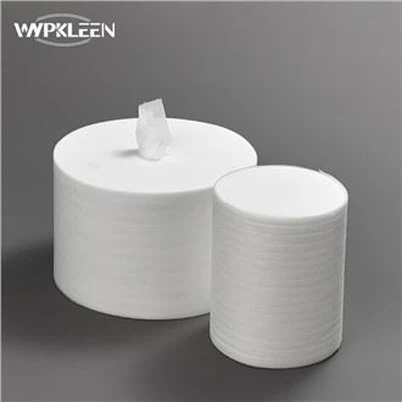
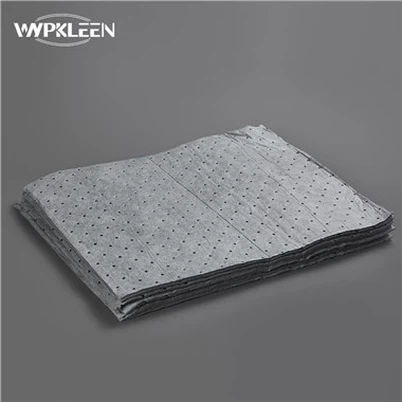
First off, what are oil absorbent sheets? They're basically materials designed to soak up oil. We've got different types, like the Oil Only Laminated Sorbent Pad, Cotton Absorbent Pad, and Polypropylene Absorbent Pad. Each has its own unique properties and uses.
Now, back to the big question. Can these sheets be used in water? The short answer is yes, but it depends on the type of sheet and the situation.
Let's start with the Oil Only Laminated Sorbent Pad. This bad boy is designed specifically to absorb oil and repel water. It's made with a special laminated structure that allows it to float on water while soaking up oil like a sponge. So, if you've got an oil spill on the surface of a pond, lake, or even the ocean, this pad is your go-to. It'll sit on top of the water, attracting and trapping the oil molecules, leaving the water behind.
The Cotton Absorbent Pad is a bit different. Cotton is a natural material that can absorb both oil and water. While it's great for cleaning up small spills on land, using it in water can be a bit tricky. If you throw a cotton pad into a large body of water, it'll soak up a lot of water along with the oil, which can make it heavy and less effective at oil absorption. However, in some cases, like a small oil spill in a contained water area, a cotton pad can still do the job. You just need to be careful not to let it get too waterlogged.
Then there's the Polypropylene Absorbent Pad. Polypropylene is a synthetic material that has excellent oil absorption properties. Similar to the Oil Only Laminated Sorbent Pad, it can float on water and selectively absorb oil. It's also more durable and resistant to tearing compared to cotton pads. So, for larger oil spills in water, the polypropylene pad is often a better choice.
But how do these oil absorbent sheets actually work? It all comes down to the science of surface tension and capillary action. Oil and water have different surface tensions, which means they behave differently when they come into contact with other materials. The materials used in oil absorbent sheets are chosen because they have a greater affinity for oil than water. When the sheet comes into contact with an oil spill in water, the oil molecules are attracted to the surface of the sheet and are drawn into the pores or fibers of the material through capillary action. This process continues until the sheet is saturated with oil.
Now, let's talk about some real-world applications. Oil spills can happen in all sorts of places, from industrial sites to shipping lanes. In industrial settings, oil absorbent sheets are used to clean up spills on factory floors, around machinery, and in storage areas. When these spills occur near water sources, such as rivers or canals, the sheets can be used to prevent the oil from spreading into the water.


In the marine industry, oil spills are a major concern. Tanker ships, offshore oil rigs, and fishing boats can all be sources of oil spills. Oil absorbent sheets are an essential tool for cleaning up these spills quickly and effectively. They can be deployed from boats or helicopters to cover large areas of the water surface and contain the oil before it spreads too far.
Another important application is in environmental cleanup. When an oil spill occurs in a natural body of water, such as a wetland or estuary, it can have a devastating impact on the ecosystem. Oil absorbent sheets can be used to remove the oil from the water and protect the plants and animals that live there. By acting quickly and using the right type of absorbent sheet, we can minimize the damage caused by oil spills and help the environment recover.
So, if you're dealing with an oil spill in water, here are some tips on how to use oil absorbent sheets effectively:
- Choose the right type of sheet: As we've discussed, different types of oil absorbent sheets are better suited for different situations. Consider the size of the spill, the type of oil, and the location when choosing a sheet.
- Deploy the sheets quickly: The faster you can get the sheets on the spill, the better. This will help prevent the oil from spreading and make the cleanup process easier.
- Use multiple sheets if necessary: For larger spills, you may need to use multiple sheets to cover the entire area. Make sure to overlap the sheets slightly to ensure complete coverage.
- Monitor the sheets: Keep an eye on the sheets as they absorb the oil. Once they're saturated, remove them from the water and replace them with fresh sheets.
- Dispose of the used sheets properly: Used oil absorbent sheets are considered hazardous waste and need to be disposed of in accordance with local regulations. Make sure to follow the proper disposal procedures to avoid any environmental or health risks.
In conclusion, oil absorbent sheets can definitely be used in water, but you need to choose the right type for the job. Whether it's an Oil Only Laminated Sorbent Pad, a Cotton Absorbent Pad, or a Polypropylene Absorbent Pad, each has its own advantages and limitations. By understanding how these sheets work and using them correctly, you can effectively clean up oil spills in water and protect the environment.
If you're in the market for high-quality oil absorbent sheets, look no further. We're a leading supplier of oil absorbent products, and we've got the expertise and the products to meet your needs. Whether you're an industrial facility, a marine company, or an environmental cleanup organization, we can provide you with the right oil absorbent sheets for your specific application. So, if you've got any questions or if you're ready to place an order, don't hesitate to get in touch. Let's work together to keep our water clean and free from oil spills.
References:
- "Oil Spill Response: A Guide to Best Practices." Environmental Protection Agency.
- "The Science of Oil Absorption." Journal of Materials Science.
- "Marine Oil Spill Cleanup Techniques." International Maritime Organization.