
What is the thickness of a typical medical absorbent pad?
Leave a message

Hey there! As a supplier of Medical Absorbent Pads, I often get asked about the thickness of a typical medical absorbent pad. It's a question that might seem simple at first glance, but there's actually a lot to unpack.
Let's start by understanding what medical absorbent pads are used for. These pads are essential in the medical field for a variety of purposes. They can be used to absorb bodily fluids like blood, urine, and wound exudate. In hospitals, clinics, and even at home for personal care, these pads play a crucial role in maintaining hygiene and patient comfort.
So, what's the deal with the thickness? Well, there isn't a one - size - fits - all answer. The thickness of a medical absorbent pad can vary depending on several factors.
Factors Affecting the Thickness
Absorbency Requirements
One of the main factors is the absorbency needed. If a pad is designed to handle large amounts of fluid, it's likely to be thicker. For example, pads used in surgical settings where there can be significant blood loss need to be highly absorbent. These heavy - duty pads are usually thicker because they contain more absorbent material. On the other hand, pads used for light incontinence or minor wound drainage can be thinner as they don't need to hold as much fluid.
Usage Environment
The environment in which the pad will be used also matters. In a hospital operating room, where sterility is of utmost importance, pads might be thicker to ensure they can withstand the rigors of the surgical process and still maintain their integrity. In a home care setting, where comfort and ease of use are key, thinner pads might be preferred as long as they meet the basic absorbency needs.
Cost Considerations
Cost is another factor that influences thickness. Thicker pads generally cost more to produce because they use more raw materials. So, if a healthcare facility is on a tight budget, they might opt for thinner pads that offer a more cost - effective solution, even if it means sacrificing a bit of absorbency.
Typical Thickness Ranges
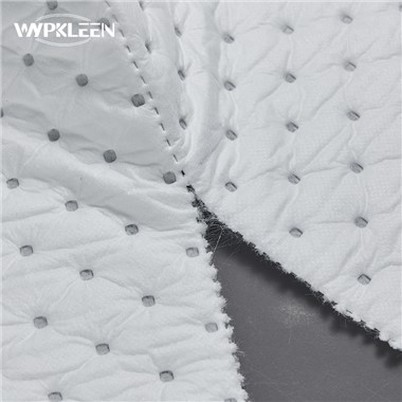
In general, the thickness of a medical absorbent pad can range from about 1 millimeter to 10 millimeters.
Thin pads, around 1 - 3 millimeters thick, are often used for light applications. These can be used for things like protecting clothing from minor spills or for light incontinence in cases where the fluid output is minimal. They are lightweight and discreet, making them a good choice for everyday use.
Medium - thickness pads, in the range of 3 - 6 millimeters, are more commonly used. They strike a balance between absorbency and comfort. These pads can handle moderate amounts of fluid, such as wound exudate or light to moderate incontinence. They are suitable for a wide range of medical settings, from clinics to home care.


Thick pads, 6 - 10 millimeters or more, are reserved for heavy - duty applications. Surgical pads, for example, can be quite thick to ensure they can absorb large volumes of blood during an operation. They are also more durable and can withstand the pressure and movement associated with surgical procedures.
The Importance of Quality
Regardless of the thickness, the quality of the medical absorbent pad is crucial. A high - quality pad should have good absorbency, be soft on the skin to prevent irritation, and be able to maintain its shape and integrity even when saturated with fluid.
At our company, we take pride in offering a wide range of medical absorbent pads with different thicknesses to meet the diverse needs of our customers. We use high - quality materials in our manufacturing process to ensure that our pads are not only effective but also safe for use.
Other Types of Absorbent Products
It's worth mentioning that there are other types of absorbent products in the market apart from medical absorbent pads. For example, Chemical Absorbent Pad are designed to absorb chemicals and are commonly used in industrial settings. These pads are made from materials that can resist chemical corrosion and have different thicknesses depending on the type and volume of chemicals they need to absorb.
Absorbent Mats for Oil are another type. They are used to clean up oil spills, whether it's in a garage, an industrial facility, or even on water bodies. These mats are usually thicker and more porous to effectively soak up oil.
Polypropylene Absorbent Pad are also popular. Polypropylene is a lightweight and durable material, and these pads can be used for a variety of applications, including medical and industrial use.
Why Choose Our Medical Absorbent Pads
We understand that choosing the right medical absorbent pad can be a daunting task. That's why we offer personalized advice to our customers. Our team of experts can help you determine the right thickness and type of pad based on your specific needs.
We also offer competitive pricing without compromising on quality. Our manufacturing process is efficient, which allows us to pass on the savings to our customers. And we have a quick turnaround time for orders, so you can get the pads you need when you need them.
Contact Us for Your Absorbent Pad Needs
If you're in the market for medical absorbent pads or any of our other absorbent products, we'd love to hear from you. Whether you're a hospital administrator looking to stock up on surgical pads, a home caregiver in need of light - duty pads, or an industrial facility requiring chemical absorbent pads, we have the solutions for you.
Feel free to reach out to us to discuss your requirements. We're always happy to have a chat and find the best absorbent products for your situation. Let's work together to ensure you have the right absorbent solutions for your needs.
References
- "Medical Textiles: Design, Development, and Applications" - This book provides in - depth information on the design and manufacturing of medical absorbent products.
- Industry reports on absorbent products, which offer insights into market trends and product specifications.