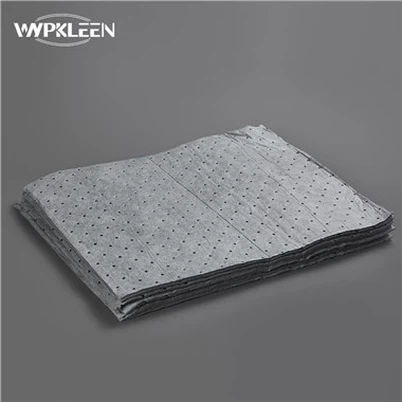

What is the weight of a water absorbent pad?
Leave a message

What is the weight of a water absorbent pad?
As a supplier of water absorbent pads, I often get asked about the weight of these essential products. Understanding the weight of a water absorbent pad is crucial for various reasons, from determining its absorbency capacity to ensuring proper handling and storage. In this blog post, I'll delve into the factors that influence the weight of water absorbent pads, how it relates to their performance, and why it matters in different applications.
Factors Affecting the Weight of Water Absorbent Pads
The weight of a water absorbent pad is influenced by several key factors, each playing a significant role in determining its overall mass. These factors include the materials used, the size of the pad, and the manufacturing process.
Materials Used
The materials used in the construction of water absorbent pads are a primary determinant of their weight. Most water absorbent pads are made from materials such as polypropylene, cellulose, or a combination of both. Polypropylene is a lightweight, synthetic material known for its high absorbency and resistance to chemicals. Cellulose, on the other hand, is a natural material derived from wood pulp and is also highly absorbent.

The choice of material can significantly impact the weight of the pad. For example, a Polypropylene Absorbent Pad is generally lighter than a cellulose-based pad of the same size. This is because polypropylene has a lower density than cellulose. However, the absorbency rate may also vary depending on the material, with cellulose pads often having a higher absorbency capacity for water.
Size of the Pad
The size of the water absorbent pad is another critical factor that affects its weight. Larger pads naturally weigh more than smaller ones, as they contain more material. The dimensions of the pad, including its length, width, and thickness, all contribute to its overall mass.
When selecting a water absorbent pad, it's essential to consider the size requirements of your specific application. For small spills, a smaller pad may be sufficient, while larger spills may require a larger pad to ensure complete absorption. Additionally, the size of the pad can also impact its handling and storage, as larger pads may be more cumbersome to manage.
Manufacturing Process
The manufacturing process used to produce water absorbent pads can also influence their weight. Different manufacturing techniques can result in variations in the density and structure of the pad, which in turn affects its weight.
For example, some pads are manufactured using a needle-punching process, which involves interlocking fibers to create a dense, absorbent material. This process can result in a heavier pad compared to pads manufactured using other methods. Other pads may be made using a melt-blown process, which produces a lighter, more porous material.
Relationship Between Weight and Absorbency
The weight of a water absorbent pad is closely related to its absorbency capacity. In general, heavier pads tend to have a higher absorbency rate than lighter pads. This is because heavier pads typically contain more absorbent material, allowing them to soak up more water.
However, it's important to note that absorbency is not solely determined by weight. Other factors, such as the material used, the design of the pad, and the surface area of the pad, also play a role in determining its absorbency capacity. For example, a pad with a larger surface area may be able to absorb more water than a smaller pad of the same weight.
When choosing a water absorbent pad, it's essential to consider both the weight and the absorbency capacity. Selecting a pad with the appropriate weight and absorbency for your specific application will ensure optimal performance and cost-effectiveness.

Importance of Weight in Different Applications
The weight of a water absorbent pad is an important consideration in various applications, including industrial, commercial, and household settings.

Industrial Applications
In industrial settings, water absorbent pads are commonly used to clean up spills and leaks in manufacturing plants, warehouses, and other industrial facilities. The weight of the pad is crucial in these applications, as it determines the pad's ability to handle large volumes of water and other liquids.
For example, in an oil refinery, Industrial Oil Absorbent Sheet are used to absorb oil spills. These sheets are typically heavier than standard water absorbent pads, as they need to be able to absorb large amounts of oil quickly and efficiently. The weight of the sheet also helps to prevent it from floating on the surface of the oil, ensuring that it remains in contact with the spill and absorbs as much oil as possible.
Commercial Applications
In commercial settings, such as restaurants, hotels, and supermarkets, water absorbent pads are used to prevent slips and falls caused by wet floors. The weight of the pad is important in these applications, as it helps to keep the pad in place and prevent it from shifting or sliding on the floor.
For example, in a restaurant kitchen, a heavy-duty water absorbent pad may be placed in front of the sink to absorb water and prevent it from splashing onto the floor. The weight of the pad helps to keep it in place, even when employees are walking on it or using the sink.
Household Applications
In household settings, water absorbent pads are used for a variety of purposes, such as cleaning up spills, protecting furniture, and preventing water damage. The weight of the pad is important in these applications, as it determines the pad's ability to absorb water and prevent it from spreading.
For example, a lightweight water absorbent pad may be used to clean up a small spill on the kitchen countertop, while a heavier pad may be needed to absorb a larger spill on the floor. The weight of the pad also helps to ensure that it remains in place and does not move around while it is being used.
Conclusion
In conclusion, the weight of a water absorbent pad is an important factor to consider when selecting the right pad for your specific application. The weight of the pad is influenced by several factors, including the materials used, the size of the pad, and the manufacturing process. The weight of the pad is also closely related to its absorbency capacity, with heavier pads generally having a higher absorbency rate than lighter pads.
When choosing a water absorbent pad, it's essential to consider both the weight and the absorbency capacity, as well as the specific requirements of your application. Whether you're using the pad in an industrial, commercial, or household setting, selecting the right pad will ensure optimal performance and cost-effectiveness.
If you're interested in learning more about our water absorbent pads or would like to discuss your specific requirements, please feel free to [contact us]([insert contact page link]). Our team of experts is here to help you find the right solution for your needs.
References
- "Absorbent Materials: Types and Applications." Chemical Engineering.
- "Polypropylene Absorbent Pads: Properties and Uses." Journal of Materials Science.
- "Cellulose Absorbent Pads: A Sustainable Solution for Spill Cleanup." Environmental Science and Technology.