

What Is Spunbond Nonwoven Fabric?
Leave a message
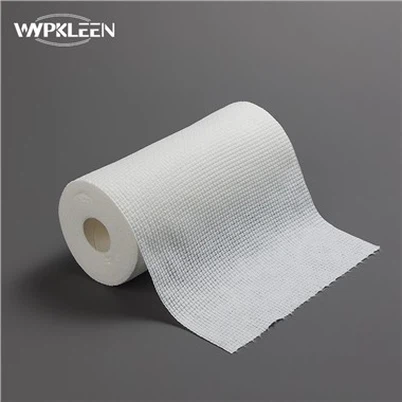
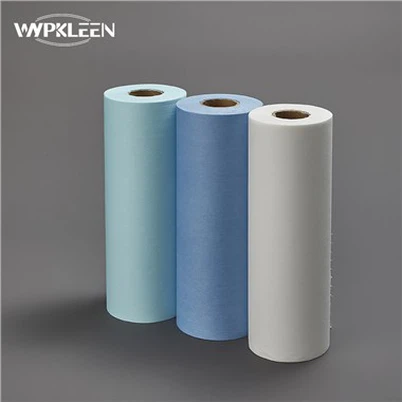
Spunbond nonwoven fabric is a type of non-woven fabric that is produced through a manufacturing process known as spunbonding. This process involves the use of polymers, typically thermoplastic polymers such as polyethylene, polypropylene, or polyester, which are processed into fine fibers and then bonded together to form a fabric.
Spunbond nonwoven fabric is widely used in a range of applications due to its unique properties and characteristics. One of its primary uses is in the production of medical and hygiene products such as face masks, bandages, and sanitary napkins. This is because spunbond nonwoven fabric has excellent breathability, softness, and water absorption properties. It also provides good barrier protection against bacteria and other microorganisms.
The spunbond nonwoven fabric manufacturing process begins with the selection of suitable polymers that can be transformed into fibers through the spunbonding process. These polymers are typically thermoplastic polymers such as polyethylene, polypropylene, or polyester that have suitable melting points and flow characteristics.
The spunbonding process involves the use of a special machine that combines the molten polymer with high-speed air streams to transform the polymer into fine fibers. These fibers are then collected in a continuous web format and bonded together using various methods such as thermal bonding or chemical bonding. The resulting non-woven fabric has a soft and velvety texture, high porosity, and good barrier properties.
Spunbond nonwoven fabric has emerged as a versatile and cost-effective alternative to traditional woven fabrics in various applications. Its unique combination of properties, including high porosity, barrier protection, and good tensile strength, makes it an excellent choice for use in medical and hygiene products, industrial filters, and other industrial applications. As such, it has become a key component in a range of consumer and industrial products that require softness, breathability, and barrier protection.
Additionally, spunbond nonwoven fabric can be further processed and enhanced through various techniques such as calendering, embossing, or needle punching to improve its physical properties or to create specific textures or patterns. These processed spunbond fabrics often exhibit improved tensile strength, tear resistance, barrier properties, or aesthetics compared to the original non-processed versions.
Spunbond nonwoven fabric is a versatile and widely used type of non-woven fabric that offers unique properties and characteristics to a range of consumer and industrial products. Its softness, breathability, and barrier protection make it an excellent choice for medical and hygiene applications while its high porosity and tensile strength offer good performance in industrial filters and other industrial applications.