What Is The Raw Material For Melt Blown Fabric?
Leave a message
The raw materials of meltblown cloth are mainly composed of various types of polyolefins, such as polyethylene (PE) and polypropylene (PP). These polymers are selected based on their melting point, flow characteristics, and mechanical properties. In addition, other polymers such as polyester, polyamide and polyurethane can be used as raw materials for specific applications.
The raw materials in the form of pellets or pellets are loaded into the hopper of the melt-blown machine. The machine then uses heat and pressure to melt the polymer and extrude the molten polymer through a die to form a film or fiber. The film or fiber is then pulled into fine fibers by high-speed airflow. These fibers are collected in a continuous web and then bonded together using various methods such as thermal or chemical bonding.
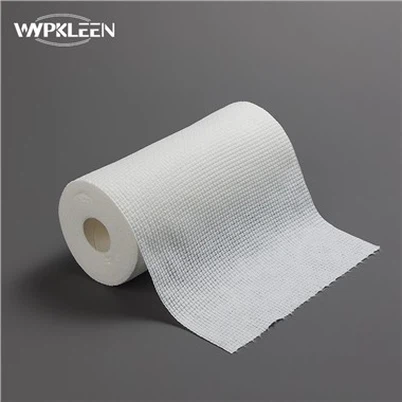
The resulting melt-blown non-woven fabric has soft texture, high porosity and good barrier properties. Due to its unique combination of properties, it is widely used in medical and hygiene products, industrial filters and other industrial applications.
In addition to polymers, other additives such as colorants, antioxidants and stabilizers can be added to the raw materials to enhance the specific properties of meltblown fabrics.
In general, the raw materials for meltblown fabrics are selected based on the desired properties and end use of the resulting nonwoven fabric.