
Are medical absorbent pads approved by regulatory authorities?
Leave a message

As a supplier of Medical Absorbent Pads, I often encounter inquiries from customers regarding the regulatory approval status of our products. This is a crucial concern, as regulatory approval serves as a testament to the safety, quality, and efficacy of medical products. In this blog post, I will delve into the topic of whether medical absorbent pads are approved by regulatory authorities, exploring the regulatory landscape, the approval process, and the significance of such approvals for both suppliers and end-users.
The Regulatory Landscape
The regulatory environment for medical products varies from country to country, with each jurisdiction having its own set of rules and requirements. In the United States, the Food and Drug Administration (FDA) is the primary regulatory body responsible for overseeing the safety and effectiveness of medical devices, including medical absorbent pads. The FDA classifies medical absorbent pads as Class I medical devices, which are considered to pose the lowest risk to patients. Class I devices are generally subject to the least regulatory requirements, but they must still comply with the FDA's general controls, such as good manufacturing practices (GMP) and labeling requirements.
In the European Union (EU), medical absorbent pads are regulated under the Medical Device Regulation (MDR) 2017/745. The MDR sets out strict requirements for the design, manufacture, and marketing of medical devices in the EU, with the aim of ensuring the safety and performance of these products. Medical absorbent pads are classified as Class I devices in the EU as well, but they must comply with the MDR's general safety and performance requirements, as well as undergo a conformity assessment procedure to obtain a CE mark, which indicates compliance with EU regulations.
Other countries and regions also have their own regulatory frameworks for medical products. For example, in Canada, medical absorbent pads are regulated by Health Canada under the Medical Devices Regulations. In Australia, medical devices are regulated by the Therapeutic Goods Administration (TGA). It is essential for medical absorbent pad suppliers to be aware of the regulatory requirements in the countries where they intend to market their products and to ensure that their products comply with these requirements.
The Approval Process
The approval process for medical absorbent pads can be complex and time-consuming, as it involves demonstrating compliance with a range of regulatory requirements. In general, the approval process can be divided into several stages, including product development, testing, documentation, and submission to the relevant regulatory authority.
Product Development
During the product development stage, medical absorbent pad suppliers must design and develop their products to meet the specific needs and requirements of the target market. This may involve conducting market research, identifying customer needs, and developing prototypes of the product. Suppliers must also ensure that their products are designed in accordance with the relevant regulatory requirements, such as GMP and safety standards.


Testing
Once the product has been developed, it must undergo a series of tests to demonstrate its safety and performance. These tests may include physical, chemical, and biological tests, as well as performance tests to evaluate the absorbency, leakage resistance, and other properties of the product. Suppliers may also need to conduct clinical trials to demonstrate the effectiveness of their products in real-world settings.
Documentation
In addition to testing, medical absorbent pad suppliers must also prepare a comprehensive set of documentation to support their product's regulatory approval. This documentation may include product specifications, manufacturing processes, quality control procedures, and test reports. Suppliers must also provide evidence of compliance with the relevant regulatory requirements, such as GMP and safety standards.
Submission to the Regulatory Authority
Once the product has been developed, tested, and documented, the supplier must submit an application for regulatory approval to the relevant regulatory authority. The application will typically include the product documentation, as well as a fee. The regulatory authority will review the application and may request additional information or clarification from the supplier. If the application is approved, the supplier will be issued a certificate of approval, which allows them to market their product in the relevant jurisdiction.
The Significance of Regulatory Approval
Regulatory approval is of utmost importance for both medical absorbent pad suppliers and end-users. For suppliers, regulatory approval provides a competitive advantage in the market, as it demonstrates the safety, quality, and efficacy of their products. It also helps to build trust and credibility with customers, as they can be confident that the products they are purchasing have been thoroughly tested and meet the highest standards of safety and performance.
For end-users, regulatory approval provides assurance that the medical absorbent pads they are using are safe and effective. It also helps to protect them from the risks associated with using unregulated or substandard medical products. In addition, regulatory approval may be required by healthcare providers or insurance companies before they will reimburse for the cost of medical absorbent pads.
Our Commitment to Regulatory Compliance
As a supplier of Medical Absorbent Pads, we are committed to ensuring that our products meet the highest standards of safety and quality. We work closely with regulatory authorities around the world to ensure that our products comply with all relevant regulatory requirements. Our products are manufactured in accordance with GMP and are subject to rigorous testing and quality control procedures to ensure their safety and performance.
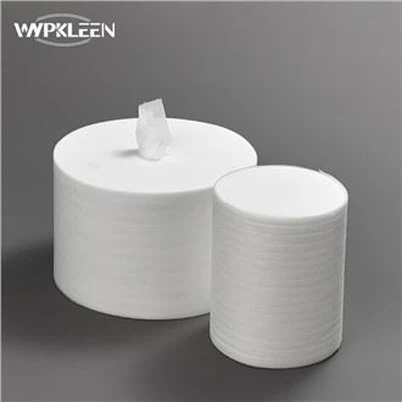
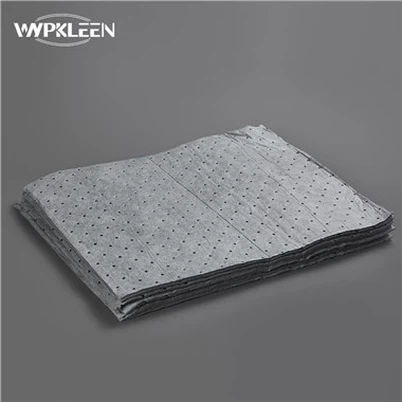
We also offer a wide range of Medical Absorbent Pads to meet the diverse needs of our customers. Our products include Absorbent Mats for Oil, Water Absorbent Pad, and Cotton Absorbent Pad. All of our products are designed to be highly absorbent, leak-resistant, and comfortable to use.
Conclusion
In conclusion, medical absorbent pads are subject to regulatory approval in most countries and regions around the world. Regulatory approval is essential for ensuring the safety, quality, and efficacy of these products. As a supplier of Medical Absorbent Pads, we are committed to ensuring that our products meet the highest standards of safety and quality and comply with all relevant regulatory requirements. If you are interested in purchasing our Medical Absorbent Pads, please contact us to discuss your specific needs and requirements. We look forward to working with you to provide you with the best possible products and services.
References
- U.S. Food and Drug Administration. (n.d.). Medical Devices. Retrieved from FDA Website
- European Union. (2017). Regulation (EU) 2017/745 of the European Parliament and of the Council of 5 April 2017 on medical devices, amending Directive 2001/83/EC, Regulation (EC) No 178/2002 and Regulation (EU) No 1223/2009 and repealing Council Directive 90/385/EEC and Directive 93/42/EEC. Official Journal of the European Union, L 117, 1–176.
- Health Canada. (n.d.). Medical Devices. Retrieved from Health Canada Website
- Therapeutic Goods Administration. (n.d.). Medical Devices. Retrieved from TGA Website