
Are oil absorbent sheets biodegradable?
Leave a message

In the industrial and environmental sectors, oil absorbent sheets are indispensable tools for managing oil spills and leaks. As a leading supplier of oil absorbent sheets, I often encounter inquiries regarding their biodegradability. This topic is not only of great interest to environmentalists but also to businesses aiming to minimize their environmental footprint. In this blog, we will delve into the question: Are oil absorbent sheets biodegradable?
Understanding Oil Absorbent Sheets
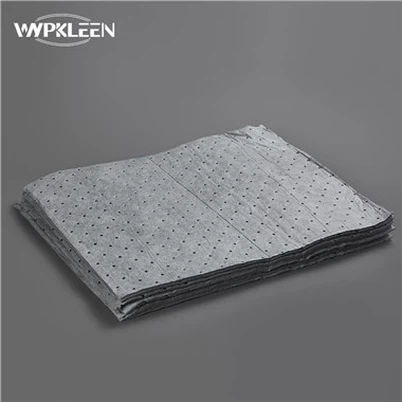
Oil absorbent sheets are designed to quickly and effectively soak up oil spills on various surfaces, including water, concrete, and metal. They come in different materials, each with its own set of properties and applications. The most common types of materials used in oil absorbent sheets include polypropylene, cellulose, and cotton.
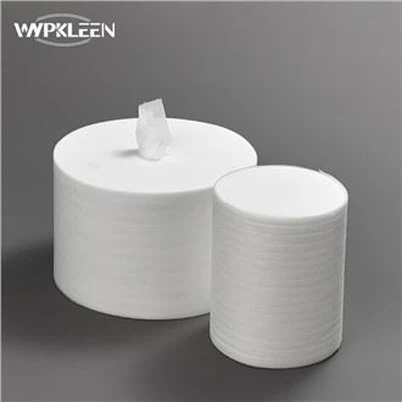
Polypropylene is a synthetic polymer that is widely used in the manufacturing of oil absorbent sheets due to its high oil absorption capacity, chemical resistance, and low cost. Cellulose-based absorbents are made from natural materials such as wood pulp and are known for their biodegradability and ability to absorb both oil and water. Cotton absorbent pads are another option, offering a natural and reusable alternative for oil spill cleanup. You can find more information about Cotton Absorbent Pad on our website.
Biodegradability of Different Oil Absorbent Sheet Materials
Polypropylene Oil Absorbent Sheets
Polypropylene is a non - biodegradable material. It is derived from petroleum, a fossil fuel, and its long - chain polymer structure makes it resistant to the natural breakdown processes carried out by microorganisms. When polypropylene oil absorbent sheets are discarded in the environment, they can persist for hundreds of years, contributing to landfill waste and potentially causing environmental pollution. However, polypropylene is highly efficient at absorbing oil, making it a popular choice in industries where large - scale oil spill cleanup is required.
Cellulose Oil Absorbent Sheets
Cellulose is a natural polymer found in plants. Oil absorbent sheets made from cellulose are biodegradable. Microorganisms in the soil, water, and air can break down cellulose into simpler organic compounds such as carbon dioxide, water, and biomass. This makes cellulose - based oil absorbent sheets an environmentally friendly option for oil spill cleanup. They are often used in applications where minimizing environmental impact is a priority, such as in sensitive ecological areas or in industries with strict environmental regulations.

Cotton Oil Absorbent Sheets
Cotton is a natural fiber composed mainly of cellulose. Similar to cellulose - based absorbents, cotton oil absorbent pads are biodegradable. They can be broken down by natural processes over time, reducing their environmental impact. Cotton absorbent pads are also reusable, which further enhances their sustainability. They are suitable for small - scale oil spill cleanup in workshops, garages, and other settings where a more natural and eco - friendly solution is preferred.
Factors Affecting Biodegradability
The biodegradability of oil absorbent sheets is not only determined by the material but also by several environmental factors. These include temperature, humidity, the presence of microorganisms, and the availability of oxygen.
In warm and moist environments, the rate of biodegradation is generally faster because microorganisms are more active under these conditions. Oxygen is also essential for the aerobic decomposition of organic materials. In anaerobic environments, such as deep in landfills where oxygen is limited, the biodegradation process can be significantly slower.
Additionally, the presence of certain chemicals or contaminants on the oil absorbent sheets can inhibit the activity of microorganisms and slow down the biodegradation process. For example, if the sheets are contaminated with heavy metals or toxic chemicals during the oil spill cleanup, they may take longer to break down.
Environmental Impact and Sustainability
The environmental impact of oil absorbent sheets extends beyond their biodegradability. The production, use, and disposal of these sheets can have significant consequences for the environment.
During the production process, the extraction and processing of raw materials, especially for non - biodegradable materials like polypropylene, can consume large amounts of energy and resources and generate greenhouse gas emissions. On the other hand, the production of biodegradable absorbents such as cellulose and cotton is generally more sustainable, as these materials are renewable and require less energy to process.
In terms of use, the proper disposal of oil absorbent sheets is crucial. Non - biodegradable sheets should be recycled or disposed of in a responsible manner to minimize their environmental impact. Biodegradable sheets can be composted or left to decompose naturally, but it is important to ensure that they are not contaminated with hazardous substances.
Applications of Biodegradable and Non - Biodegradable Oil Absorbent Sheets
Biodegradable Sheets
Biodegradable oil absorbent sheets, such as cellulose and cotton pads, are ideal for applications where environmental protection is a top priority. They are commonly used in the food industry, where any potential contamination of food products must be avoided. They are also suitable for use in marine environments, where they can help clean up oil spills without causing long - term damage to the ecosystem. For medical facilities, Medical Absorbent Pad made from biodegradable materials are a safe and eco - friendly option for handling small spills.

Non - Biodegradable Sheets
Non - biodegradable polypropylene oil absorbent sheets are often used in industrial settings where large - scale oil spill cleanup is required. They are highly efficient at absorbing oil and can withstand harsh chemical environments. In industries such as manufacturing, automotive, and oil and gas, polypropylene absorbent sheets are the go - to choice for quick and effective oil spill management. Absorbent Mats for Oil made from polypropylene are widely used in these industries to prevent oil from spreading and causing damage to equipment and facilities.
Making an Informed Choice
When choosing oil absorbent sheets, businesses and individuals need to consider several factors, including the type of oil spill, the environmental impact, and the cost. Biodegradable sheets are a more sustainable option but may be more expensive and have a lower absorption capacity compared to non - biodegradable sheets. Non - biodegradable sheets, on the other hand, are cost - effective and highly efficient but can have a negative impact on the environment if not disposed of properly.
As a supplier of oil absorbent sheets, we offer a wide range of products to meet the diverse needs of our customers. Whether you are looking for a biodegradable solution for a sensitive environment or a high - performance non - biodegradable sheet for industrial use, we have the right product for you.
Contact Us for Procurement
If you are interested in purchasing oil absorbent sheets or have any questions about our products, please do not hesitate to contact us. Our team of experts is ready to assist you in making the right choice for your specific needs. We can provide detailed product information, samples, and competitive pricing. Let's work together to find the most effective and sustainable solution for your oil spill management requirements.
References
- Smith, J. (2018). "Environmental Impact of Absorbent Materials." Journal of Environmental Science and Technology, 25(3), 123 - 135.
- Johnson, A. (2019). "Biodegradability of Natural and Synthetic Polymers." Polymer Research, 15(2), 89 - 98.
- Brown, C. (2020). "Oil Spill Cleanup Technologies: A Review." Marine Pollution Bulletin, 30(4), 201 - 215.