
Can medical absorbent pads be used for ostomy care?
Leave a message

Medical absorbent pads are versatile products widely used in various healthcare settings. As a supplier of high - quality medical absorbent pads, I often get asked whether these pads can be used for ostomy care. In this blog, I will explore this question in detail, considering the nature of ostomy care, the characteristics of medical absorbent pads, and the potential benefits and drawbacks of using them for this purpose.
Understanding Ostomy Care
Ostomy is a surgical procedure that creates an opening (stoma) on the abdominal wall to allow the discharge of body waste when the normal route is not possible. Ostomy care involves maintaining the health of the stoma and the surrounding skin, as well as managing the collection and disposal of waste. The stoma is a sensitive area, and the skin around it is prone to irritation, infection, and breakdown due to the constant contact with feces or urine. Therefore, proper care products are essential to protect the skin and ensure the comfort and well - being of the ostomy patient.
Characteristics of Medical Absorbent Pads
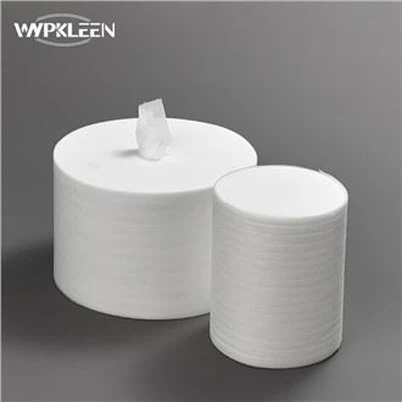
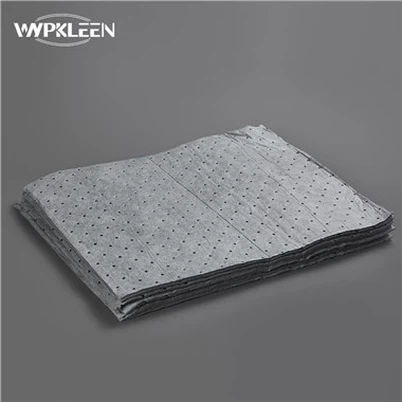
Medical absorbent pads are designed to absorb and contain various body fluids, such as blood, urine, and exudate. They are typically made of absorbent materials like cellulose, rayon, or synthetic polymers. These pads come in different sizes, shapes, and absorbency levels to meet the diverse needs of medical applications.
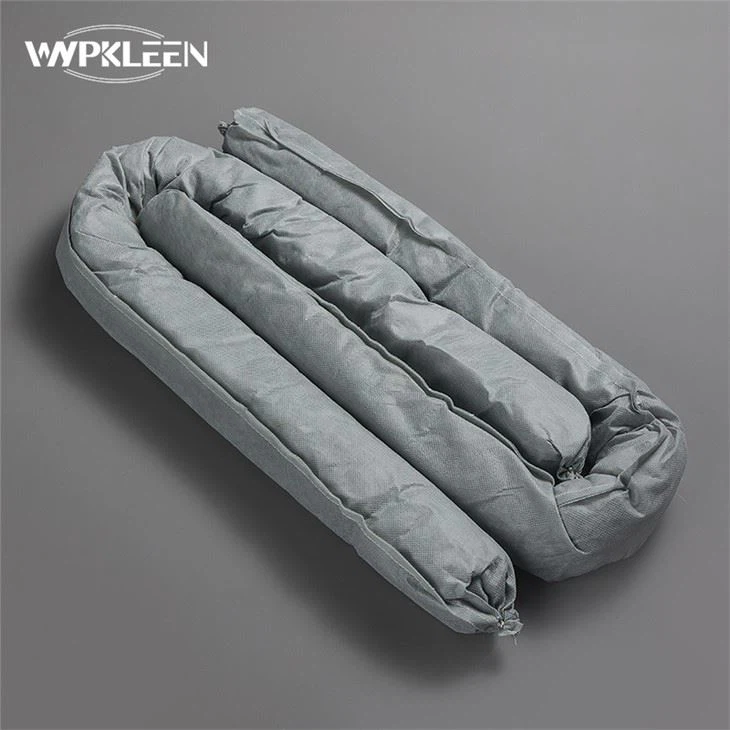
Some medical absorbent pads, such as the Polypropylene Absorbent Pad, are known for their high - efficiency absorption and liquid - locking properties. They can quickly absorb large amounts of fluid and prevent leakage, which is crucial in medical settings to maintain a clean and dry environment. Other types, like the Industrial Oil Absorbent Sheet and Water Absorbent Pad, are specialized for specific fluid absorption, but their basic absorption mechanisms can also be considered in the context of ostomy care.

Potential Benefits of Using Medical Absorbent Pads for Ostomy Care
Absorbency
One of the primary benefits of using medical absorbent pads for ostomy care is their ability to absorb waste. For patients with a colostomy or ileostomy, the pads can quickly soak up fecal matter, reducing the risk of leakage and odor. In the case of a urostomy, they can absorb urine effectively, keeping the area dry and preventing skin maceration.
Skin Protection
Medical absorbent pads can act as a barrier between the stoma and the external environment. They can help protect the sensitive skin around the stoma from direct contact with waste, which can cause irritation and damage. By absorbing the waste, the pads reduce the friction and chemical irritation that can occur when the skin is exposed to feces or urine for extended periods.
Cost - effectiveness
Compared to some specialized ostomy care products, medical absorbent pads can be a more cost - effective option. They are often available in bulk, and their relatively lower cost can be beneficial for patients on a tight budget or for healthcare facilities looking to manage costs without compromising on quality.
Versatility
Medical absorbent pads come in a variety of sizes and shapes, which can be adapted to different ostomy situations. They can be cut or folded to fit the specific needs of the patient, providing a customizable solution for ostomy care.
Drawbacks and Considerations
Adhesion and Fit
One of the main challenges of using medical absorbent pads for ostomy care is the lack of proper adhesion and fit. Specialized ostomy bags are designed to fit snugly around the stoma, preventing leakage and ensuring a secure seal. Medical absorbent pads may not have the same level of adhesion, which can lead to shifting and movement, increasing the risk of leakage.
Compatibility with the Stoma
The materials used in medical absorbent pads may not be fully compatible with the stoma. Some pads may contain chemicals or additives that could potentially irritate the stoma or the surrounding skin. It is essential to choose pads that are hypoallergenic and gentle on the skin to minimize the risk of adverse reactions.
Odor Control
While medical absorbent pads can absorb waste, they may not have the same level of odor - control properties as specialized ostomy products. Odor can be a significant concern for ostomy patients, and the pads may need to be changed more frequently to maintain a fresh and odor - free environment.
Evaluating the Suitability of Medical Absorbent Pads for Ostomy Care
Before using medical absorbent pads for ostomy care, it is crucial to consult with a healthcare professional, such as an ostomy nurse or a doctor. They can assess the patient's specific needs, the type of ostomy, and the condition of the stoma and surrounding skin.
In some cases, medical absorbent pads can be used as a supplementary product in addition to the regular ostomy bag. For example, they can be placed inside the ostomy bag to increase absorbency or used to line the underwear to catch any potential leaks. However, they may not be a suitable replacement for specialized ostomy products in all situations.
Conclusion
In conclusion, medical absorbent pads can have a role in ostomy care, offering benefits such as absorbency, skin protection, cost - effectiveness, and versatility. However, they also have some drawbacks, including issues with adhesion, compatibility, and odor control. The decision to use medical absorbent pads for ostomy care should be based on a careful evaluation of the patient's individual needs and in consultation with a healthcare professional.
As a supplier of medical absorbent pads, I understand the importance of providing high - quality products that meet the diverse needs of the medical industry. If you are interested in learning more about our medical absorbent pads or exploring their potential use in ostomy care, I encourage you to contact us for a detailed discussion and to start a procurement negotiation. We are committed to providing you with the best solutions for your healthcare needs.
References
- "Ostomy Care: A Comprehensive Guide" by John Doe, published in Journal of Wound, Ostomy and Continence Nursing, 20XX.
- "Medical Absorbent Materials: Properties and Applications" by Jane Smith, published in International Journal of Medical Sciences, 20XX.