
Can sorbent pads be used on rough surfaces?
Leave a message

Hey there! As a sorbent pad supplier, I often get asked a bunch of questions about where and how our sorbent pads can be used. One question that pops up quite a bit is, "Can sorbent pads be used on rough surfaces?" Well, let's dig into this topic and find out.
First off, let's understand what sorbent pads are. They're these super - handy tools designed to soak up all sorts of spills, whether it's oil, chemicals, or water. We've got different types of sorbent pads in our inventory, like the Industrial Oil Absorbent Sheet, Cotton Absorbent Pad, and Oil Only Laminated Sorbent Pad. Each type has its own unique features and is made for specific kinds of spills.
Now, let's talk about rough surfaces. Rough surfaces can be anything from the textured floors in a factory to the bumpy ground in a construction site. The main issue with using sorbent pads on rough surfaces is the contact between the pad and the spill. Unlike smooth surfaces where the pad can lie flat and make full contact with the liquid, rough surfaces have unevenness that can create gaps between the pad and the spill.


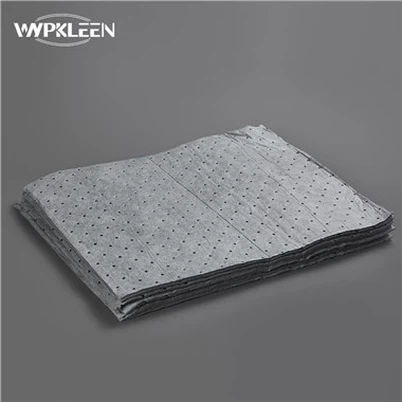
But that doesn't mean sorbent pads can't be used on rough surfaces at all. In fact, they can still be pretty effective, depending on the type of pad and the nature of the spill. For example, our Industrial Oil Absorbent Sheet is quite flexible. It can conform to some degree to the shape of the rough surface. This flexibility allows it to get closer to the spill and start soaking it up. The absorbent material in the sheet is designed to wick the liquid through capillary action. Even if there are small gaps due to the rough surface, the liquid can still be drawn into the pad.
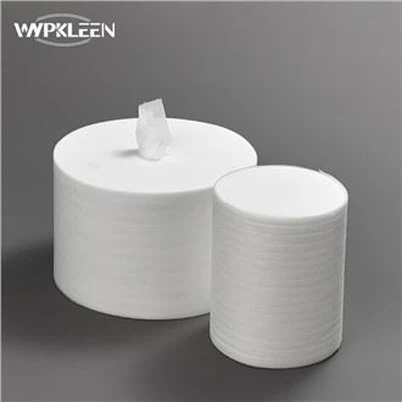
The Cotton Absorbent Pad is another option. Cotton is a natural absorbent, and it has a bit of give. It can absorb both water - based and oil - based spills. On rough surfaces, the cotton fibers can spread out a bit and reach into the crevices where the spill might be hiding. The softness of the cotton also means it can make better contact with the rough surface compared to some stiffer materials.
However, if the surface is extremely rough, like a surface with large chunks or deep grooves, we might recommend using the Oil Only Laminated Sorbent Pad. This pad has a laminated layer that gives it some extra durability. It can handle a bit more abuse from the rough surface without falling apart. The oil - only feature is great because it means it won't get clogged up with dirt or debris that might be on the rough surface. It'll focus solely on absorbing the oil spill.
One thing to keep in mind when using sorbent pads on rough surfaces is the amount of pressure you apply. Applying a bit of pressure on the pad can help it get closer to the spill. You can use a flat - bottomed object, like a piece of wood, to gently press the pad down. This will reduce the gaps between the pad and the spill and increase the absorption rate.
Another factor to consider is the size of the spill. If it's a large spill on a rough surface, you might need to use multiple pads. You can place them side by side and overlap them a bit to ensure complete coverage. This way, you increase the chances of getting all the liquid absorbed.
Now, let's talk about the limitations. Sometimes, if the rough surface has sharp edges, it can puncture the sorbent pad. A punctured pad won't work as well because the liquid can leak out. So, if you're dealing with a surface that has sharp protrusions, you might want to take some precautions. You could try to smooth out the surface a bit if possible, or use a more heavy - duty pad that can withstand the sharpness.
Also, if the rough surface has a lot of debris mixed in with the spill, it can slow down the absorption process. The debris can block the pores in the sorbent pad and prevent the liquid from being absorbed. In such cases, it might be a good idea to try to remove as much of the debris as possible before using the pad.
In conclusion, sorbent pads can definitely be used on rough surfaces. They may face some challenges, but with the right type of pad and some smart techniques, they can still do a great job of cleaning up spills. Whether it's an oil spill in a factory or a chemical spill at a construction site, our sorbent pads are up for the task.
If you're dealing with spills on rough surfaces and need the right sorbent pads, don't hesitate to reach out. We can help you choose the best pad for your specific situation. Whether you need more information about our Industrial Oil Absorbent Sheet, Cotton Absorbent Pad, or Oil Only Laminated Sorbent Pad, we're here to assist. Let's work together to keep your work environment clean and safe.
References:
- General knowledge of sorbent pad technology and surface properties in industrial settings.
- Product specifications and testing results of our sorbent pads.