
How does airlaid paper protect electronic components?
Leave a message

In the modern era of advanced technology, electronic components are the heart and soul of countless devices that power our daily lives. From smartphones and laptops to sophisticated industrial machinery, these components are not only intricate but also highly sensitive to various environmental factors. Protecting them is crucial to ensure their proper functioning and longevity. One often-overlooked yet highly effective solution for this protection is airlaid paper. As an airlaid paper supplier, I am excited to share how this remarkable material plays a vital role in safeguarding electronic components.
Understanding Airlaid Paper
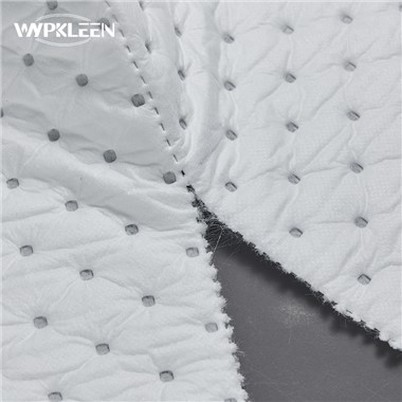
Before delving into how airlaid paper protects electronic components, it's essential to understand what airlaid paper is. Airlaid paper is a nonwoven material made from natural or synthetic fibers that are dispersed in an air stream and then bonded together. This process creates a unique structure that offers several advantages over traditional papers and other materials.
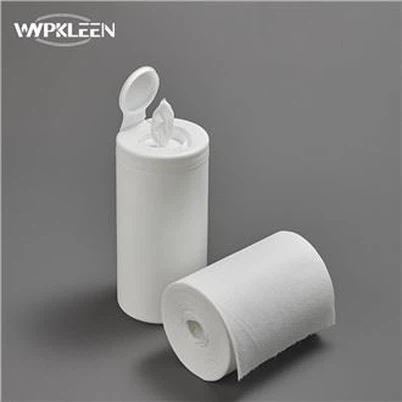
There are different types of airlaid paper available, each with its own characteristics and applications. For instance, Airlaid Tissue Paper is known for its softness and absorbency, while Nonwoven Airlaid Paper provides excellent strength and durability. Airlaid Paper Wipe is a popular choice for cleaning and wiping applications due to its high absorbency and lint-free nature.
Protection Against Physical Damage
One of the primary ways airlaid paper protects electronic components is by providing a physical barrier against damage. During the manufacturing, transportation, and storage of electronic devices, components are often exposed to various physical hazards such as scratches, impacts, and abrasions. Airlaid paper can act as a cushioning material, absorbing the shock and preventing direct contact between the components and potentially damaging surfaces.
For example, when electronic components are packed for shipping, airlaid paper can be used as an interleaving material between layers of components. This helps to prevent them from rubbing against each other and getting scratched. In addition, airlaid paper can be used to line the interior of packaging boxes, providing an extra layer of protection against impacts during transit.
The unique structure of airlaid paper also makes it resistant to tearing and puncturing. This means that it can withstand the rigors of handling and transportation without breaking or losing its protective properties. As a result, electronic components are less likely to be damaged during the shipping process, reducing the risk of costly returns and repairs.
Protection Against Moisture and Humidity
Moisture and humidity can have a detrimental effect on electronic components. Excessive moisture can cause corrosion, short circuits, and other electrical problems, leading to component failure. Airlaid paper can help to protect electronic components from these issues by acting as a moisture barrier.
Airlaid paper has excellent absorbency properties, which allow it to soak up any moisture that comes into contact with it. This helps to keep the environment around the electronic components dry and reduces the risk of corrosion. In addition, airlaid paper can be treated with hydrophobic agents to make it even more resistant to moisture.
For example, in a high-humidity environment, airlaid paper can be used to wrap electronic components to prevent moisture from reaching them. It can also be used as a desiccant replacement in some applications, as it can absorb and retain moisture over an extended period of time.
Protection Against Static Electricity
Static electricity is another major concern when it comes to electronic components. A static discharge can generate a high-voltage pulse that can damage sensitive electronic circuits and components. Airlaid paper can help to prevent static electricity from building up and causing damage.
Airlaid paper is a natural insulator, which means that it does not conduct electricity easily. This helps to prevent the buildup of static charges on the surface of the paper and the electronic components it is protecting. In addition, some airlaid papers can be treated with antistatic agents to further reduce the risk of static electricity.
For example, in a cleanroom environment where electronic components are manufactured and assembled, airlaid paper can be used as a work surface or a covering material. This helps to prevent static electricity from being generated during handling and processing, protecting the components from potential damage.
Protection Against Contamination
Contamination can also cause problems for electronic components. Dust, dirt, and other particles can accumulate on the surface of components, affecting their performance and reliability. Airlaid paper can help to protect electronic components from contamination by acting as a filter.
The porous structure of airlaid paper allows it to trap dust and other particles, preventing them from reaching the electronic components. This is particularly important in cleanroom environments, where strict contamination control measures are required.
For example, airlaid paper can be used as a filter media in air filters to remove dust and other contaminants from the air. It can also be used as a cover or a liner in packaging to prevent dust and dirt from entering the package and coming into contact with the electronic components.
Customization and Versatility
One of the advantages of using airlaid paper for protecting electronic components is its customization and versatility. Airlaid paper can be manufactured in a wide range of thicknesses, densities, and colors to meet the specific requirements of different applications.
For example, if a particular electronic component requires a high level of protection against moisture, a thicker and more absorbent airlaid paper can be used. On the other hand, if a component needs to be protected from static electricity, an antistatic-treated airlaid paper can be selected.
In addition, airlaid paper can be easily cut, shaped, and formed into different sizes and shapes to fit the specific needs of electronic components. This makes it a highly versatile material that can be used in a variety of applications, from small consumer electronics to large industrial equipment.
Conclusion
In conclusion, airlaid paper is a highly effective material for protecting electronic components. It provides physical protection against damage, moisture and humidity, static electricity, and contamination. Its customization and versatility make it suitable for a wide range of applications in the electronics industry.
As an airlaid paper supplier, we are committed to providing high-quality airlaid paper products that meet the strictest standards of performance and reliability. Our airlaid papers are carefully engineered to provide the best possible protection for electronic components, ensuring their proper functioning and longevity.


If you are in the electronics industry and are looking for a reliable solution for protecting your electronic components, we invite you to contact us for more information. Our team of experts will be happy to assist you in selecting the right airlaid paper product for your specific needs and to discuss your procurement requirements.
References
- "Nonwoven Fabrics: Structure, Properties, and Applications" by David J. Hall
- "Handbook of Electronic Packaging Technology" by Rao R. Tummala
- "Static Electricity Handbook" by ESD Association