
What are the safety requirements for Nonwoven Airlaid Paper used in food packaging?
Leave a message

When it comes to food packaging, safety is of paramount importance. As a supplier of Nonwoven Airlaid Paper, I understand the critical role our product plays in ensuring the safety and quality of food products. In this blog post, I will delve into the safety requirements for Nonwoven Airlaid Paper used in food packaging, providing insights into the standards, regulations, and best practices that we adhere to.
Understanding Nonwoven Airlaid Paper
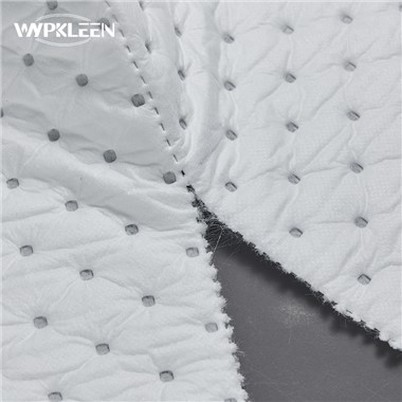
Nonwoven Airlaid Paper is a versatile material that combines the benefits of nonwoven fabrics and paper. It is made by dispersing fibers in an air stream and then bonding them together using heat, pressure, or adhesives. This unique manufacturing process results in a material that is soft, absorbent, and strong, making it ideal for a wide range of applications, including food packaging.


Nonwoven Airlaid Paper offers several advantages over traditional packaging materials. It is lightweight, which reduces shipping costs and environmental impact. It is also highly customizable, allowing for the creation of packaging solutions that meet specific requirements. Additionally, Nonwoven Airlaid Paper is resistant to tearing and puncturing, providing excellent protection for food products during transportation and storage.
Safety Requirements for Food Packaging
The safety of food packaging materials is regulated by various national and international standards and regulations. These standards are designed to ensure that packaging materials do not pose a risk to human health or the environment. In the case of Nonwoven Airlaid Paper used in food packaging, the following safety requirements must be met:
1. Material Composition
The materials used in the production of Nonwoven Airlaid Paper must be safe for contact with food. This means that they must be free from harmful substances such as heavy metals, pesticides, and other contaminants. The fibers used in the paper should be sourced from reliable suppliers and undergo strict quality control measures to ensure their safety.
2. Chemical Migration
One of the main concerns in food packaging is the potential for chemicals to migrate from the packaging material into the food. This can occur when the packaging material comes into contact with food, especially if the food is acidic, fatty, or alcoholic. To prevent chemical migration, Nonwoven Airlaid Paper must be tested to ensure that it meets the relevant migration limits set by regulatory authorities.
3. Microbiological Safety
Food packaging materials must also be microbiologically safe to prevent the growth of harmful bacteria, fungi, and other microorganisms. Nonwoven Airlaid Paper should be produced in a clean and hygienic environment and undergo appropriate sterilization or disinfection processes to ensure its microbiological safety.
4. Physical Properties
The physical properties of Nonwoven Airlaid Paper, such as its strength, tear resistance, and absorbency, can also affect its safety in food packaging. The paper should be strong enough to withstand the handling and transportation of food products without tearing or puncturing. It should also have appropriate absorbency to prevent the accumulation of moisture, which can lead to the growth of microorganisms.
Our Commitment to Safety
As a supplier of Nonwoven Airlaid Paper, we are committed to ensuring the safety and quality of our products. We adhere to strict quality control measures throughout the production process, from raw material sourcing to final product testing. Our manufacturing facilities are equipped with state-of-the-art equipment and technology to ensure the consistent quality of our products.
We also work closely with our customers to understand their specific requirements and provide customized solutions that meet their needs. Our technical team is available to provide support and guidance on the selection and use of Nonwoven Airlaid Paper for food packaging applications. We are constantly investing in research and development to improve the safety and performance of our products and to stay ahead of the latest industry trends and regulations.
Testing and Certification
To ensure the safety and quality of our Nonwoven Airlaid Paper, we conduct extensive testing and certification. Our products are tested by independent third-party laboratories to ensure that they meet the relevant national and international standards and regulations. We also hold various certifications, such as ISO 9001:2015 for quality management and ISO 14001:2015 for environmental management, which demonstrate our commitment to excellence in all aspects of our business.
Conclusion
Nonwoven Airlaid Paper is a safe and versatile material for food packaging applications. However, it is important to ensure that the paper meets the relevant safety requirements to protect the health and well-being of consumers. As a supplier of Nonwoven Airlaid Paper, we are committed to providing our customers with high-quality products that meet the highest safety standards.
If you are interested in learning more about our Nonwoven Airlaid Paper products or have any questions about their safety requirements for food packaging, please feel free to contact us. We would be happy to discuss your needs and provide you with the information and support you need.
References
- European Union Regulation (EC) No 1935/2004 on materials and articles intended to come into contact with food
- US Food and Drug Administration (FDA) regulations on food contact substances
- International Organization for Standardization (ISO) standards for food packaging materials
Links
If you are interested in procuring high - quality Nonwoven Airlaid Paper for your food packaging needs, we invite you to reach out to us for further discussion. Our team is eager to work with you to provide the best solutions that meet your specific requirements and ensure the safety of your food products.