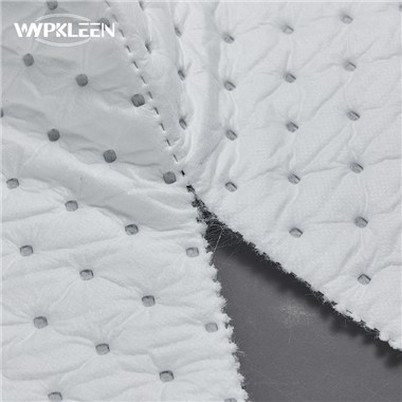
How to make nonwoven paper fabric antistatic?
Leave a message

Antistatic properties are crucial in the nonwoven paper fabric industry, especially for applications where electrostatic discharge can cause damage to sensitive electronic components, attract dust, or pose safety risks. As a leading supplier of nonwoven paper fabric, we understand the importance of providing products with effective antistatic capabilities. In this blog post, we will explore various methods to make nonwoven paper fabric antistatic, drawing on scientific principles and industry best practices.
Understanding Electrostatic Charging in Nonwoven Paper Fabric
Before delving into antistatic solutions, it's essential to understand how nonwoven paper fabric becomes electrostatically charged. Electrostatic charging occurs when two materials come into contact and then separate, causing a transfer of electrons. In the case of nonwoven paper fabric, friction during manufacturing, handling, or use can lead to the buildup of static electricity. The extent of charging depends on factors such as the type of fibers, humidity, and the nature of the contact surfaces.
Methods to Make Nonwoven Paper Fabric Antistatic
1. Incorporating Antistatic Agents During Production
One of the most common methods to make nonwoven paper fabric antistatic is by incorporating antistatic agents during the production process. Antistatic agents work by either reducing the surface resistance of the fabric or by providing a conductive path for the dissipation of static charges. There are two main types of antistatic agents: internal and external.
Internal Antistatic Agents: These agents are added to the polymer melt before fiber formation. They are distributed throughout the fibers, providing long - lasting antistatic properties. Internal antistatic agents can be either ionic or non - ionic. Ionic antistatic agents, such as quaternary ammonium salts, work by attracting moisture from the air, which helps to conduct static charges. Non - ionic antistatic agents, on the other hand, reduce the surface tension of the fibers, making it easier for static charges to dissipate.
External Antistatic Agents: These agents are applied to the surface of the nonwoven paper fabric after production. They can be in the form of sprays, coatings, or finishes. External antistatic agents provide a quick and cost - effective way to impart antistatic properties. However, their effectiveness may decrease over time due to wear and washing.
2. Using Conductive Fibers
Another approach to making nonwoven paper fabric antistatic is by incorporating conductive fibers into the fabric structure. Conductive fibers, such as carbon fibers, metal fibers, or conductive polymers, can create a conductive network within the fabric, allowing static charges to flow freely and dissipate.
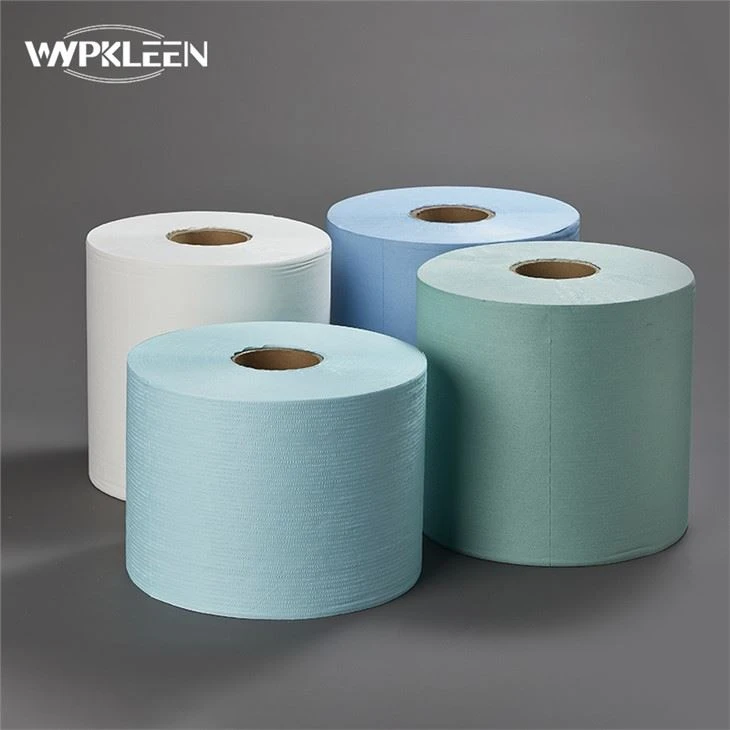

Carbon fibers are widely used due to their high conductivity, low density, and chemical stability. Metal fibers, such as stainless steel fibers, offer excellent conductivity but may be more expensive and heavier. Conductive polymers, such as polyaniline and polypyrrole, are lightweight and can be easily processed, making them a promising option for antistatic nonwoven paper fabric.
3. Controlling Humidity
Humidity plays a significant role in the dissipation of static charges. Higher humidity levels increase the conductivity of the air and the fabric surface, making it easier for static charges to dissipate. In industrial settings, maintaining a relative humidity of 40 - 60% can significantly reduce the buildup of static electricity in nonwoven paper fabric.
However, controlling humidity may not be practical in all applications, especially in environments where low humidity is required for other reasons, such as in cleanrooms. In such cases, other antistatic methods need to be employed.
4. Surface Modification
Surface modification techniques can also be used to make nonwoven paper fabric antistatic. Plasma treatment is one such technique that can modify the surface properties of the fabric. Plasma treatment can introduce polar groups on the fabric surface, which can attract moisture and improve the conductivity of the fabric.
Another surface modification method is corona treatment. Corona treatment increases the surface energy of the fabric, making it more receptive to antistatic coatings or finishes.
Applications of Antistatic Nonwoven Paper Fabric
Antistatic nonwoven paper fabric has a wide range of applications in various industries:
1. Electronics Industry
In the electronics industry, antistatic nonwoven paper fabric is used for packaging electronic components, such as integrated circuits, printed circuit boards, and hard drives. The antistatic properties of the fabric prevent electrostatic discharge, which can damage sensitive electronic devices.
2. Cleanroom Applications
Antistatic nonwoven paper fabric is also used in cleanrooms, where it is essential to minimize the generation and accumulation of static electricity. The fabric can be used for making cleanroom wipes, gowns, and curtains. Our Polyester Spunlace Nonwoven Fabric is an excellent choice for cleanroom applications due to its high strength, low linting, and antistatic properties.
3. Textile Industry
In the textile industry, antistatic nonwoven paper fabric can be used for making clothing, especially for workwear in industries where static electricity can be a safety hazard, such as in the petroleum and chemical industries.
Our Product Offerings
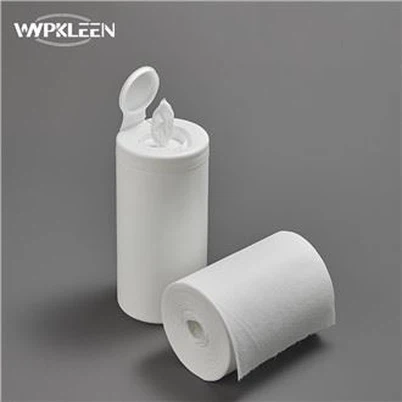
As a nonwoven paper fabric supplier, we offer a range of antistatic nonwoven products. Our Spunlace Nonwoven Fabric Roll is available in various weights and sizes, and can be customized with different antistatic treatments. Our Spunlace Nonwoven Fabric For Wet Wipe is also treated with antistatic agents to ensure that it can be used safely in applications where static electricity needs to be controlled.
Conclusion
Making nonwoven paper fabric antistatic is essential for many applications, and there are several effective methods available. By incorporating antistatic agents, using conductive fibers, controlling humidity, and applying surface modification techniques, we can produce nonwoven paper fabric with excellent antistatic properties.
If you are interested in our antistatic nonwoven paper fabric products or have any questions about making nonwoven paper fabric antistatic, please feel free to contact us for more information and to discuss your specific requirements. We are committed to providing high - quality antistatic nonwoven paper fabric solutions to meet your needs.
References
- Brown, R. A. (2006). Electrostatics in the Manufacture and Processing of Textiles. Woodhead Publishing Limited.
- Davies, C. N. (1997). Electrostatics: Fundamentals, Applications and Sympathetic Aspects. Adam Hilger.
- Tsai, P. P. (2009). Nonwoven Fabrics: Principles, Processes, Performance, and Testing. Elsevier.