
What is the air - permeability of airlaid tissue paper?
Leave a message

Hey there! As a supplier of Airlaid Tissue Paper, I often get asked about the air-permeability of this amazing product. So, I thought I'd take a moment to break it down for you and explain what it is, why it matters, and how it affects the performance of airlaid tissue paper.
What is Air - Permeability?
Let's start with the basics. Air - permeability is a measure of how easily air can pass through a material. In the case of airlaid tissue paper, it's all about how freely air can move through the paper's structure. It's typically measured in units like cubic feet per minute (CFM) per square foot of the material at a specific pressure differential.
You can think of it like this: imagine you're blowing air through a straw. If the straw is wide and clear, air can flow through it easily. But if the straw is clogged or very narrow, it's much harder for air to get through. The same concept applies to airlaid tissue paper. A paper with high air - permeability allows air to flow through it quickly, while a paper with low air - permeability restricts the air flow.
Why Does Air - Permeability Matter?
Now, you might be wondering why air - permeability is such a big deal. Well, it has several important implications for the performance and usability of airlaid tissue paper.
Comfort
One of the main reasons air - permeability is crucial is for comfort. When air can flow through the paper, it helps to keep the surface dry and cool. For example, if you're using Airlaid Paper Wipe to clean your hands, a paper with good air - permeability will prevent your hands from feeling sweaty and sticky. It's the same principle for products like disposable bedding or medical dressings. Good air - permeability means the skin can breathe, reducing the risk of irritation and discomfort.
Absorbency
Air - permeability also plays a role in absorbency. A more air - permeable paper has a more open structure, which allows liquids to penetrate more easily. When you use Airlaid Tissue Paper to soak up a spill, the air spaces in the paper act like channels for the liquid to flow into. This means the paper can absorb more liquid in a shorter amount of time, making it more efficient for cleaning up messes.
Product Lifespan
In addition, air - permeability can affect the lifespan of the product. When air can circulate through the paper, it helps to prevent the growth of mold and bacteria. These microorganisms thrive in moist, stagnant environments. By allowing air to flow, the paper stays drier, reducing the chances of degradation and extending its usable life.
How is Air - Permeability of Airlaid Tissue Paper Achieved?
The air - permeability of airlaid tissue paper is influenced by several factors during the manufacturing process.
Fiber Selection
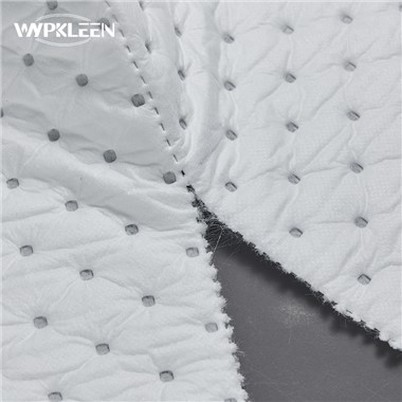
The type of fibers used in the paper is a major factor. Different fibers have different shapes, sizes, and surface characteristics. For example, some natural fibers like wood pulp have a more porous structure, which can contribute to higher air - permeability. Synthetic fibers, on the other hand, can be engineered to have specific properties that affect air flow. By carefully selecting the right combination of fibers, manufacturers can control the air - permeability of the final product.
Bonding Method
The way the fibers are bonded together also matters. There are several bonding methods used in airlaid tissue paper production, such as thermal bonding, latex bonding, and chemical bonding. Each method creates a different type of bond between the fibers, which can either enhance or restrict air flow. For instance, thermal bonding can create a more open structure compared to some chemical bonding methods, resulting in higher air - permeability.
Density
The density of the paper is another important factor. A lower - density paper generally has more air spaces between the fibers, which allows for better air flow. Manufacturers can adjust the density of the paper by controlling the amount of fibers added during the production process and the pressure applied during the forming and bonding stages.
Measuring Air - Permeability
There are several standard methods for measuring the air - permeability of airlaid tissue paper. One common method is the Gurley method. In this test, a fixed volume of air is forced through a specific area of the paper under a controlled pressure. The time it takes for the air to pass through the paper is measured, and this time is used to calculate the air - permeability.
Another method is the Frazier method. This method measures the rate of air flow through the paper at a constant pressure differential. The results are usually reported in cubic feet per minute per square foot of the paper.
Applications of Air - Permeable Airlaid Tissue Paper
The unique properties of air - permeable airlaid tissue paper make it suitable for a wide range of applications.
Hygiene Products
As mentioned earlier, air - permeable airlaid tissue paper is commonly used in hygiene products such as wipes, sanitary napkins, and adult incontinence products. The good air - permeability helps to keep the skin dry and comfortable, reducing the risk of infections and skin problems.
Medical Applications
In the medical field, air - permeable airlaid tissue paper is used in dressings, surgical drapes, and wound care products. The ability of the paper to allow air to reach the wound helps in the healing process by preventing the build - up of moisture and promoting a healthy environment for tissue repair.
Industrial Cleaning
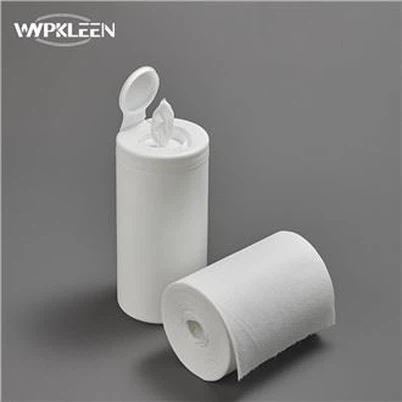
For industrial cleaning, Multipurpose Paper Wipe Roll made from air - permeable airlaid tissue paper is highly effective. The high air - permeability allows the wipes to absorb large amounts of liquids quickly, making them ideal for cleaning up spills and messes in factories, workshops, and other industrial settings.


Conclusion
In conclusion, air - permeability is a critical property of airlaid tissue paper. It affects the comfort, absorbency, and lifespan of the product, and it plays a key role in determining its suitability for various applications. As a supplier of Airlaid Tissue Paper, we understand the importance of air - permeability and strive to provide high - quality products with optimal air - flow characteristics.
If you're in the market for airlaid tissue paper and want to learn more about our products or discuss your specific requirements, don't hesitate to reach out. We're here to help you find the perfect solution for your needs. Whether you're a manufacturer looking for raw materials or a business in need of finished products, we can offer you the best airlaid tissue paper with the right air - permeability for your application.
References
- ASTM D737 - 18, Standard Test Method for Air Permeability of Textile Fabrics.
- ISO 9237:1995, Textiles -- Determination of the air permeability of fabrics.