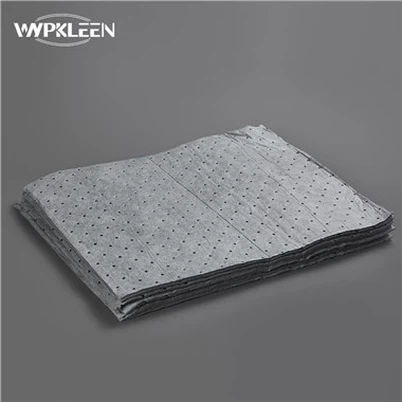

What is the main function of a medical absorbent pad?
Leave a message

In the complex and dynamic field of healthcare, medical absorbent pads play a pivotal role. As a dedicated supplier of Medical Absorbent Pad, I have witnessed firsthand the diverse and critical functions these pads serve. This blog post aims to delve into the main functions of medical absorbent pads, highlighting their significance in various medical settings.
Absorbing Bodily Fluids
One of the primary functions of medical absorbent pads is to absorb bodily fluids. In medical procedures, whether it's a minor surgical operation or a routine wound dressing change, there is often a significant amount of blood, exudate, or other bodily fluids that need to be managed. Medical absorbent pads are designed with high - absorbency materials that can quickly soak up these fluids, keeping the surgical site or wound clean and dry.
For example, during a surgical procedure, a large amount of blood may be present at the incision site. A medical absorbent pad placed near the wound can efficiently absorb the blood, preventing it from pooling and causing a messy environment. This not only helps the surgeon to have a clear view of the surgical area but also reduces the risk of infection. Bacteria are more likely to grow in a moist environment, and by keeping the area dry, the absorbent pads contribute to a healthier healing process.
In the case of wound care, wounds often produce exudate, which is a mixture of fluid, cells, and proteins. If this exudate is not properly managed, it can macerate the surrounding skin, leading to skin breakdown and delayed healing. Medical absorbent pads can absorb the exudate, maintaining an optimal moisture balance at the wound site. Different types of wounds may require different levels of absorbency. For instance, a chronic wound with high exudate production may need a pad with a high - capacity absorbent core, while a small, clean wound may only need a lighter - duty pad.
Protecting Surfaces
Medical absorbent pads also serve as a protective barrier for surfaces. In hospitals, clinics, and other medical facilities, various surfaces such as examination tables, operating room tables, and patient beds can come into contact with bodily fluids. These fluids can stain and damage the surfaces, and they may also pose a risk of cross - contamination.
By placing a medical absorbent pad on these surfaces, the fluids are absorbed by the pad instead of seeping into the underlying surface. This not only protects the surface from damage but also makes it easier to clean up. After use, the soiled pad can be simply removed and discarded, reducing the time and effort required for surface cleaning. Moreover, it helps to maintain a hygienic environment by preventing the spread of pathogens from one patient to another.
For example, in an examination room, when a patient has a wound that is oozing blood or other fluids, placing an absorbent pad on the examination table can prevent the fluids from staining the table. This is especially important in high - traffic areas where multiple patients are examined throughout the day. The use of absorbent pads ensures that each patient is provided with a clean and hygienic surface.
Providing Comfort to Patients
Comfort is another important aspect of medical care, and medical absorbent pads can contribute to the comfort of patients. When a patient has a wound or is undergoing a medical procedure, being in contact with a wet or soiled surface can be extremely uncomfortable. Medical absorbent pads are designed to be soft and gentle on the skin, reducing irritation and discomfort.
For patients who are bedridden, such as those in long - term care facilities or recovering from major surgeries, absorbent pads can be used to prevent the discomfort caused by urine or fecal incontinence. These pads are often designed with a waterproof backing to prevent leakage onto the bed sheets, while the absorbent top layer quickly absorbs the fluids, keeping the patient dry and comfortable. This not only improves the patient's quality of life but also reduces the risk of skin problems associated with prolonged exposure to moisture.
Maintaining Sterility
In surgical and other sterile medical procedures, maintaining a sterile field is of utmost importance. Medical absorbent pads are often used in a sterile form to ensure that they do not introduce any contaminants into the surgical area. Sterile absorbent pads are individually packaged and are designed to be used in a controlled environment, such as an operating room.
During a surgical procedure, these sterile pads are used to absorb blood and other fluids while maintaining the sterility of the surgical site. Any break in the sterility can lead to a surgical site infection, which can have serious consequences for the patient. The use of sterile medical absorbent pads is an essential part of the infection control protocol in surgical settings.
Comparison with Other Absorbent Products
While medical absorbent pads are specifically designed for medical applications, there are other absorbent products available in the market, such as Absorbent Mats for Oil and Industrial Oil Absorbent Sheet. These products are designed for industrial applications, mainly to absorb oil and other chemicals.
The key difference between medical absorbent pads and these industrial absorbent products lies in their design and intended use. Medical absorbent pads are made from materials that are safe for contact with the human body. They are often hypoallergenic and free from harmful chemicals. In contrast, industrial absorbent products may be made from materials that are designed to be highly resistant to oil and chemicals but may not be suitable for medical use.
For example, an industrial oil absorbent sheet may be made from a synthetic material that is not soft enough for use on human skin. Additionally, the chemicals used in the manufacturing process of industrial absorbent products may pose a risk if they come into contact with the human body. Therefore, it is crucial to use the appropriate absorbent product for the specific application.
Conclusion
In conclusion, the main functions of medical absorbent pads are multi - faceted. They absorb bodily fluids, protect surfaces, provide comfort to patients, and maintain sterility in medical procedures. These functions make them an essential component in the healthcare industry.
As a supplier of medical absorbent pads, I understand the importance of providing high - quality products that meet the diverse needs of medical facilities. Our pads are designed with the latest technology and materials to ensure optimal performance in various medical settings. If you are interested in learning more about our medical absorbent pads or are looking to start a procurement discussion, please feel free to reach out. We are committed to providing you with the best products and services to support your medical needs.


References
- Smith, J. (2020). The Role of Absorbent Materials in Wound Care. Journal of Wound Management, 15(2), 34 - 42.
- Johnson, A. (2019). Infection Control in Surgical Settings: The Importance of Sterile Absorbent Products. Surgical Journal, 22(3), 56 - 63.
- Brown, C. (2021). Absorbent Products for Patient Comfort in Long - Term Care. Long - Term Care Journal, 18(4), 78 - 85.