
Which type of oil spill absorbent pad is best for industrial spills?
Leave a message

Hey there! I'm a supplier of Oil Spill Absorbent Pads, and I've seen firsthand the chaos that industrial spills can cause. Whether it's a small leak in a workshop or a major spill in a factory, finding the right absorbent pad is crucial. In this blog, I'll break down the different types of oil spill absorbent pads and help you figure out which one is the best fit for your industrial needs.
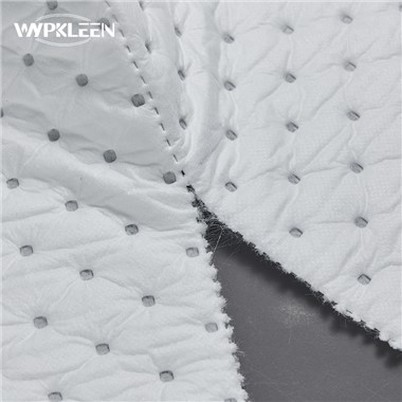
Polypropylene Absorbent Pad
Let's start with Polypropylene Absorbent Pad. These pads are super popular in the industrial world, and for good reason. Polypropylene is a synthetic material that's lightweight, durable, and resistant to most chemicals. It's also hydrophobic, which means it repels water and only absorbs oil.


One of the biggest advantages of polypropylene absorbent pads is their high absorption capacity. They can soak up a large amount of oil relative to their weight, making them cost - effective in the long run. They're also very versatile. You can use them for all sorts of industrial spills, from hydraulic oil leaks in machinery to fuel spills in transportation facilities.
Another plus is that polypropylene pads are easy to handle. They come in different sizes and thicknesses, so you can choose the one that suits your specific spill. Whether it's a small drip or a large pool of oil, there's a polypropylene pad for the job. And when you're done using them, they're easy to dispose of. You can either wring out the absorbed oil and reuse the pads (if they're still in good condition) or simply throw them away according to local waste management regulations.
Chemical Absorbent Pad
Next up, we have Chemical Absorbent Pad. These pads are designed to handle spills of a wide range of chemicals, not just oil. They're made from materials that can neutralize and absorb various acids, bases, solvents, and other hazardous substances.
Chemical absorbent pads are essential in industries where chemical spills are a common occurrence, like chemical manufacturing plants, laboratories, and refineries. The materials used in these pads are carefully selected to ensure they can react with and contain different types of chemicals safely.
However, compared to polypropylene absorbent pads, chemical absorbent pads can be a bit more expensive. This is because they need to be made from specialized materials that can handle the harsh nature of chemicals. Also, their absorption capacity might be different depending on the type of chemical they're dealing with. Some chemicals are more difficult to absorb than others, so you might need to use more pads or a different type of pad for certain substances.
But don't let the cost scare you off. When it comes to chemical spills, the safety and environmental protection they provide are well worth the investment. Using the wrong pad for a chemical spill can lead to further contamination and even dangerous reactions.
Oil Only Laminated Sorbent Pad
Now, let's talk about Oil Only Laminated Sorbent Pad. These pads are specifically engineered to absorb oil while completely repelling water. They're great for spills that occur in wet environments, like near water bodies or in areas prone to flooding.
The lamination on these pads gives them an extra layer of protection. It helps to keep the absorbed oil inside the pad and prevents it from seeping back out. This is especially important when dealing with large - scale oil spills, as you don't want the oil to spread further and cause more damage.
Oil only laminated sorbent pads are also very efficient. They can quickly absorb oil from the surface of water, making them ideal for marine spills or spills in industrial water treatment facilities. They float on water, so they can easily be retrieved after use, which simplifies the cleanup process.
Which One Is the Best?
So, which type of oil spill absorbent pad is the best for industrial spills? Well, it really depends on your specific situation.
If you're mainly dealing with oil spills and don't have to worry about chemicals, polypropylene absorbent pads are a great choice. They're affordable, versatile, and easy to use. They'll get the job done for most common oil spills in factories, workshops, and warehouses.
On the other hand, if you work in an environment where chemical spills are a risk, chemical absorbent pads are a must - have. The extra protection and chemical - handling capabilities they offer are crucial for safety and environmental compliance.
For spills in wet or water - prone areas, oil only laminated sorbent pads are the way to go. Their ability to float on water and efficiently absorb oil makes them perfect for marine and water - related industrial spills.
It's also a good idea to keep a variety of pads on hand. That way, you're prepared for any type of spill that might occur. You can create a spill response kit with different types of absorbent pads, along with other necessary tools like gloves and safety goggles.
Wrapping It Up
In conclusion, choosing the right oil spill absorbent pad is a key part of any industrial spill management plan. Each type of pad has its own unique features and benefits, and understanding these can help you make an informed decision.
If you're looking for high - quality oil spill absorbent pads for your industrial needs, we're here to help. We offer a wide range of Polypropylene Absorbent Pad, Chemical Absorbent Pad, and Oil Only Laminated Sorbent Pad. Our products are designed to meet the highest standards of quality and performance.
If you have any questions about which pad is right for you or want to discuss your specific requirements, don't hesitate to reach out. We're always happy to help you find the best solution for your industrial spill management needs.
References
- Environmental Protection Agency (EPA). "Spill Prevention, Control, and Countermeasure (SPCC) Rule."
- OSHA (Occupational Safety and Health Administration). "Hazardous Waste Operations and Emergency Response (HAZWOPER)."
- Industry reports on absorbent pad manufacturing and usage.