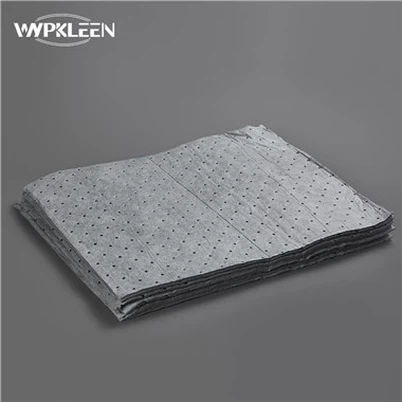

What is the shelf - life of airlaid paper wipes?
Leave a message

As a seasoned supplier of Airlaid Paper Wipes, I've encountered numerous inquiries regarding the shelf-life of these versatile products. Understanding the shelf-life is crucial for both businesses and consumers, as it directly impacts product quality, usability, and cost-effectiveness. In this blog post, I'll delve into the factors that influence the shelf-life of airlaid paper wipes, provide practical guidelines for storage, and share insights on ensuring optimal product performance over time.
What is Airlaid Paper Wipe?
Before we explore the shelf-life, let's briefly introduce airlaid paper wipes. Airlaid Paper Wipes are a type of nonwoven wipe made from cellulose fibers that are formed through an air-laying process. This technology creates a porous and absorbent structure, making airlaid wipes highly effective for a wide range of applications, including cleaning, disinfection, and personal care. They are known for their softness, strength, and ability to hold liquids, making them a popular choice in various industries, such as healthcare, food service, and household cleaning. You can learn more about Airlaid Paper Wipe on our website.
Factors Affecting the Shelf-Life of Airlaid Paper Wipes
The shelf-life of airlaid paper wipes can vary depending on several factors, including the following:
1. Raw Materials
The quality of the raw materials used in the production of airlaid paper wipes plays a significant role in determining their shelf-life. High-quality cellulose fibers and other additives are more resistant to degradation over time, ensuring that the wipes maintain their strength, absorbency, and softness. Additionally, the use of preservatives and antimicrobial agents can help extend the shelf-life by preventing the growth of bacteria, mold, and fungi.
2. Manufacturing Process
The manufacturing process also affects the shelf-life of airlaid paper wipes. Properly controlled production conditions, such as temperature, humidity, and hygiene, can minimize the risk of contamination and ensure the consistency and quality of the final product. Additionally, the use of advanced manufacturing technologies, such as embossing and laminating, can enhance the durability and performance of the wipes, thereby extending their shelf-life.
3. Packaging
The packaging of airlaid paper wipes is crucial for protecting them from environmental factors, such as moisture, light, and oxygen, which can accelerate the degradation process. Hermetically sealed packaging, such as plastic bags or containers, can effectively prevent the entry of moisture and oxygen, thereby extending the shelf-life of the wipes. Additionally, opaque packaging can protect the wipes from light, which can cause discoloration and degradation of the fibers.
4. Storage Conditions
The storage conditions of airlaid paper wipes can significantly impact their shelf-life. Wipes should be stored in a cool, dry place away from direct sunlight and heat sources. High temperatures and humidity can cause the wipes to absorb moisture, leading to the growth of bacteria and mold and reducing their strength and absorbency. Additionally, exposure to sunlight can cause the wipes to fade and become brittle over time.
Typical Shelf-Life of Airlaid Paper Wipes
Under optimal storage conditions, airlaid paper wipes typically have a shelf-life of 2 to 3 years. However, this can vary depending on the factors mentioned above. For example, wipes that are made from high-quality raw materials, packaged in hermetically sealed containers, and stored in a cool, dry place may have a longer shelf-life of up to 5 years. On the other hand, wipes that are exposed to unfavorable storage conditions or are made from lower-quality materials may have a shorter shelf-life of less than 2 years.
Signs of Degradation
It's important to be aware of the signs of degradation in airlaid paper wipes to ensure that they are still safe and effective to use. Some common signs of degradation include:
1. Discoloration
If the wipes have changed color, such as turning yellow or brown, this may indicate that they have been exposed to light or heat and are starting to degrade.
2. Odor
A musty or unpleasant odor may indicate the growth of bacteria or mold on the wipes.
3. Loss of Strength and Absorbency
If the wipes have become weak or less absorbent, this may indicate that they have absorbed moisture or have been exposed to high temperatures, causing the fibers to break down.
4. Brittleness
If the wipes have become brittle or are easily torn, this may indicate that they have been exposed to sunlight or have dried out over time.
If you notice any of these signs, it's best to discard the wipes and replace them with a new batch.
Tips for Extending the Shelf-Life
To extend the shelf-life of airlaid paper wipes, consider the following tips:
1. Choose High-Quality Products
Opt for airlaid paper wipes that are made from high-quality raw materials and are manufactured using advanced technologies. This will ensure that the wipes are more resistant to degradation and have a longer shelf-life.
2. Check the Packaging
Make sure that the wipes are packaged in hermetically sealed containers or bags to prevent the entry of moisture and oxygen. Additionally, choose opaque packaging to protect the wipes from light.


3. Store Properly
Store the wipes in a cool, dry place away from direct sunlight and heat sources. Avoid storing the wipes in areas with high humidity, such as bathrooms or basements.
4. Use the First-In, First-Out (FIFO) Method
When using airlaid paper wipes, make sure to use the oldest wipes first to ensure that they are used before they expire.
5. Follow the Manufacturer's Instructions
Always follow the manufacturer's instructions for storage and use of the wipes. This will help ensure that the wipes maintain their quality and effectiveness over time.
Applications and Shelf-Life Considerations
Airlaid paper wipes are used in a variety of applications, each with its own specific requirements and shelf-life considerations. For example:
1. Healthcare
In the healthcare industry, airlaid paper wipes are commonly used for disinfection, wound care, and patient hygiene. These wipes often contain antimicrobial agents to prevent the spread of infection. Due to the critical nature of these applications, it's essential to ensure that the wipes are within their shelf-life and are stored properly to maintain their effectiveness.
2. Food Service
In the food service industry, airlaid paper wipes are used for cleaning and sanitizing surfaces, utensils, and equipment. These wipes must be safe for use in contact with food and should be stored in a clean, dry environment to prevent contamination. The shelf-life of food service wipes is particularly important to ensure that they meet food safety standards.
3. Household Cleaning
In household cleaning applications, airlaid paper wipes are used for a variety of tasks, such as dusting, wiping surfaces, and cleaning spills. While the shelf-life requirements may not be as strict as in healthcare or food service, it's still important to store the wipes properly to maintain their quality and effectiveness.
Conclusion
In conclusion, the shelf-life of airlaid paper wipes is influenced by several factors, including raw materials, manufacturing process, packaging, and storage conditions. By understanding these factors and following the tips provided in this blog post, you can ensure that your airlaid paper wipes maintain their quality and effectiveness over time. If you have any further questions or would like to discuss your specific requirements, please feel free to contact us. We are a leading supplier of Airlaid Paper Wipe, Multipurpose Paper Wipe Roll, and Airlaid Tissue Paper, and we are committed to providing high-quality products and excellent customer service.
References
- "Nonwoven Fabrics: Technology, Properties, and Applications" by S. Ramakrishna, K. Fong, and S. Teo
- "Handbook of Nonwovens" edited by R. K. Kotek
- Manufacturer's guidelines and product specifications for airlaid paper wipes.